November 10, 2025
AI Fatigue: The Quiet Rise of Going Analog
What is AI Fatigue?
Last week, I was telling a friend about a new AI tool I’d been experimenting.
Before I could finish, he stopped me.
“Lena, please. Don’t talk to me about AI. I’m tired.”
That hit me.
I’ve been hearing this a lot lately.
From colleagues, clients, even family.
We’ve reached a point where the constant buzz of new AI and tech feels tiring.
AI fatigue is real.
And it’s not just about artificial intelligence.
It’s about our relationship with technology and the exhaustion that comes from living in a world that never stops updating, pinging, and optimizing.
AI Fatigue: What Happens When We Get Tired of Tech
We’ve spent the last decade chasing digital efficiency.
Faster, smarter, more connected.
But as technology continues to accelerate, a counter movement is emerging.
People are craving meaning, stillness and imperfection.
My 18 year old cousin doesn’t hang out on TikTok anymore.
He goes to cafés where phones are banned and people play board games for hours. He says it’s the only place he feels real.
And he’s not alone.
Wellness tourism is booming, especially digital detox retreats.
The Global Wellness Institute’s recent 2025 trends report and related industry articles confirm a significant boom in digital detox and tech-free team retreats, with demand growing strongly.
Some sources cite wellness trips growing roughly 30% per year in the past two years.
Hotels now advertise no Wi Fi weekends.
In Bali, Costa Rica, and southern Spain, health parties with meditation, music, and zero screens are replacing traditional nightlife.
AI Fatigue and Social Media Burnout
Open your LinkedIn feed.
You’ll see the same AI generated visuals, perfect carousels, and copy that sounds suspiciously polished.
Last week, I attended a business event where every single slide seemed to be AI generated.
It looked perfect but it felt lifeless.
There’s something deeply human about imperfection.
A typo, a shaky camera, a spontaneous laugh.
They remind us that someone real is behind the screen.
When I see a self-made slide, a handmade sketch or a raw selfie, I almost want to clap.
We’ve reached a saturation point.
The digital world is overflowing with optimized sameness and people are quietly craving what feels raw, human, and flawed.
Going Analog: Why People Are Choosing the Analog Life
Some brands are taking advantage of the tech fatigue trend.
Polaroid, for example, is leading a quiet rebellion against digital perfection.
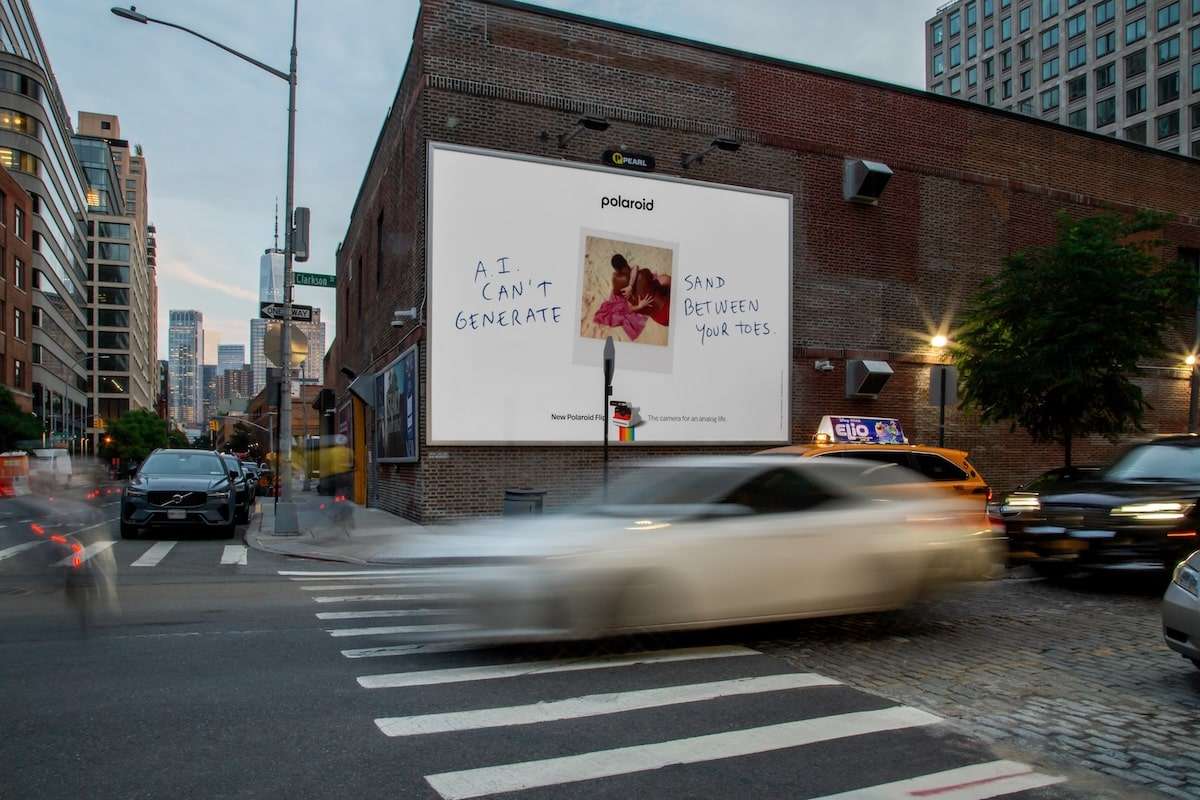
Their latest global campaign, The Camera for an Analog Life, invites people to put down their phones and rediscover real connection. Their billboards read, ‘No one on their deathbed ever said, I wish I’d spent more time on my phone.’
They even launched phone free walking tours in Paris, Tokyo, and London, where participants lock away their phones and spend an hour exploring the city through a Polaroid lens.
As Polaroid’s creative director Patricia Varella puts it, ” We are analog creatures, built to connect through our senses. The more we lose ourselves in digital algorithms, the more we drift away from empathy and real connection.”
In another campaign, Polaroid partnered with photographers and influencers to showcase the beauty of analog imperfection.
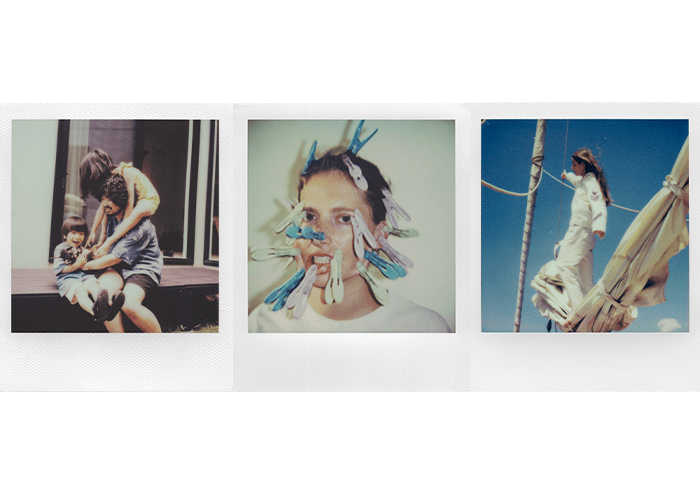
Their message to Gen Z is simple: real is the new cool.
And it’s working.
Young creators are proudly sharing blurry shots, light leaks, and off center portraits as a rebellion against the ultra filtered world.
Heineken took a similar approach this year.
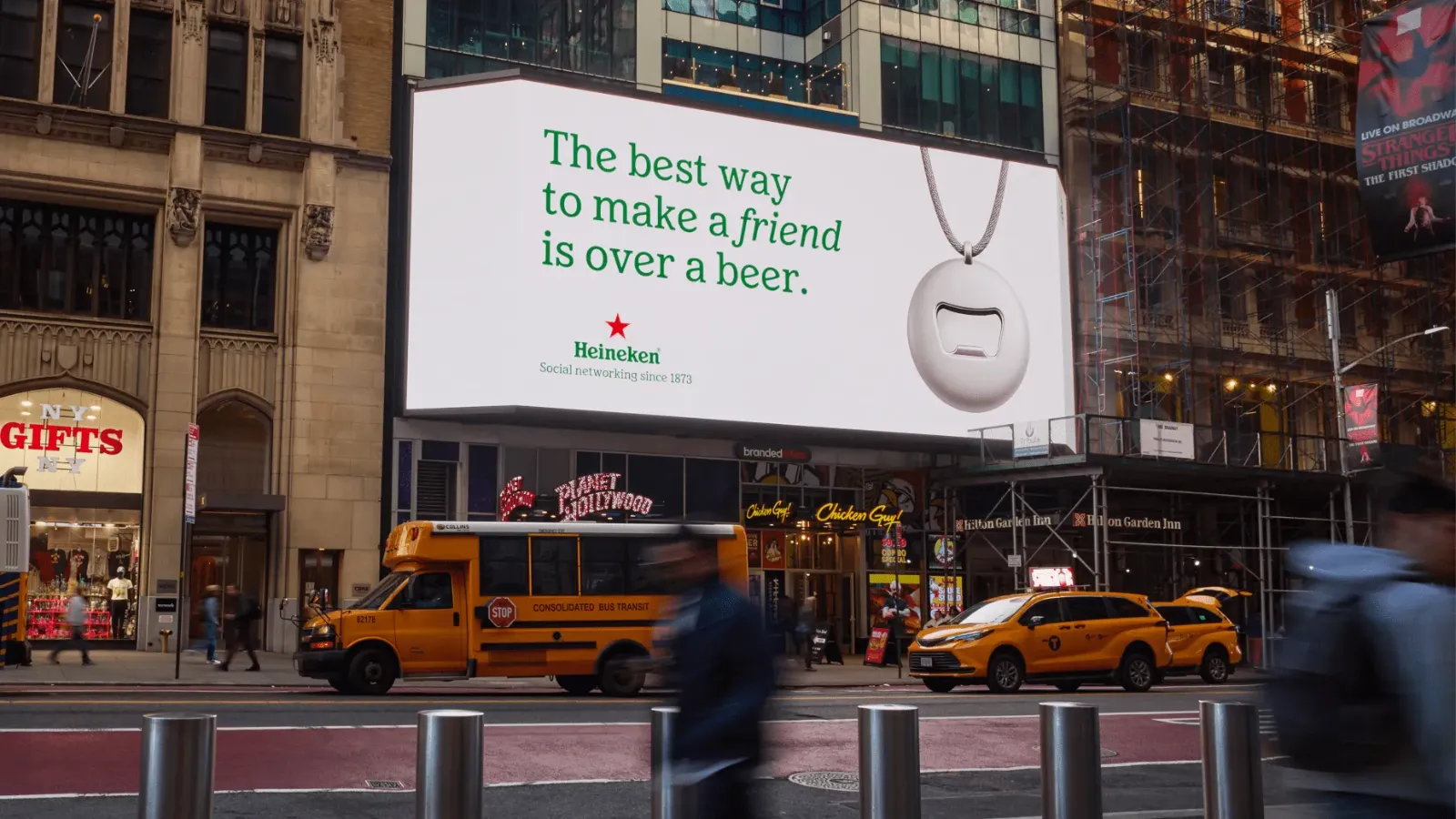
Their campaign, Real Friends Aren’t Artificial, mocked AI companionship devices by launching a bottle opener necklace as their version of wearable tech.
Their message:
The best way to make a friend is still over a beer.
Even high tech brands are shifting tone.
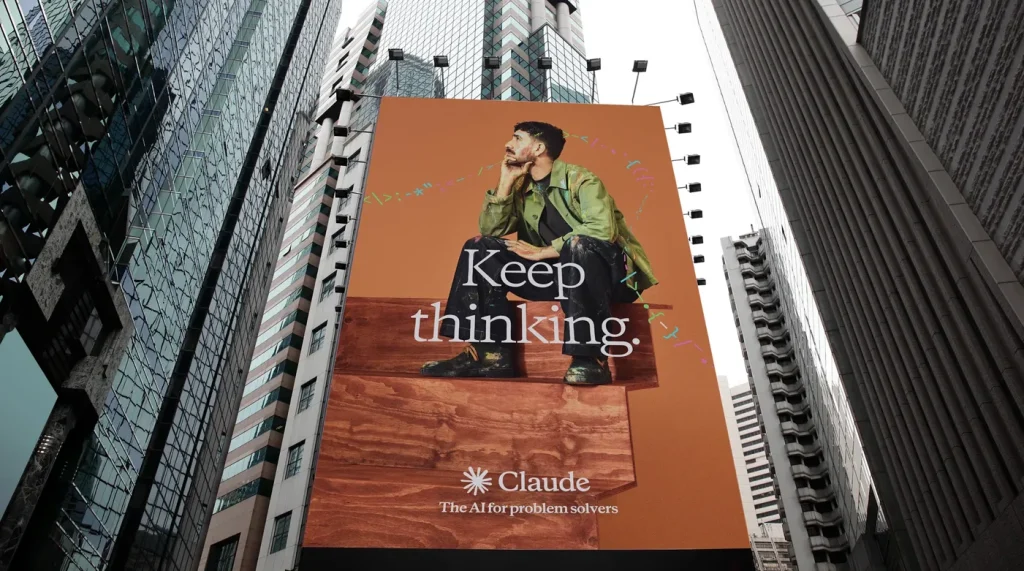
Anthropic’s Keep Thinking campaign for Claude AI encourages people to see AI not as a replacement, but as a partner for meaningful challenges.
Their tagline, ‘There’s never been a better time to have a problem,’ reframes AI as a thinking ally, not an automation engine.
It’s a subtle but powerful pivot toward balance.
Analog Life Meaning: Rediscovering the Human Spark
This movement isn’t about rejecting technology, but about reclaiming our relationship with it.
It’s about remembering that life doesn’t always happen behind a screen.
Connection is the new currency.
And the new luxury is presence.
People are paying for moments that feel real.
Handwritten notes, film photography, live music, pottery classes, analog watches.
Even in AI circles, there’s a growing fascination with human only spaces.
No prompts, no algorithms, just thinking, feeling, creating.
Anthropic’s “Keep Thinking” campaign captures this tension beautifully.
It’s a call to protect our ability to wonder and to remain human in the loop.
I believe this analog rise is only going to grow.
The joy of being fully there.
Of touching sand with your toes.
Of feeling the spark at a concert.
Of sharing a beer and a real conversation with a friend.
Technology acceleration is raising a lot of questions about what makes us human in the first place.
And maybe the next revolution won’t be faster chips or smarter bots.
It might be our collective choice to slow down, unplug, and simply be.
Related reading: AI Workslop: What happens when creation is easy and thinking is optional · Jobs AI Can’t Replace: The Human Skills that Still Matter
Join the newsletter
Practical insights on AI, leadership and innovation — every week.