
November 1, 2026
Digital Transformation Audit: Ready for Funding?

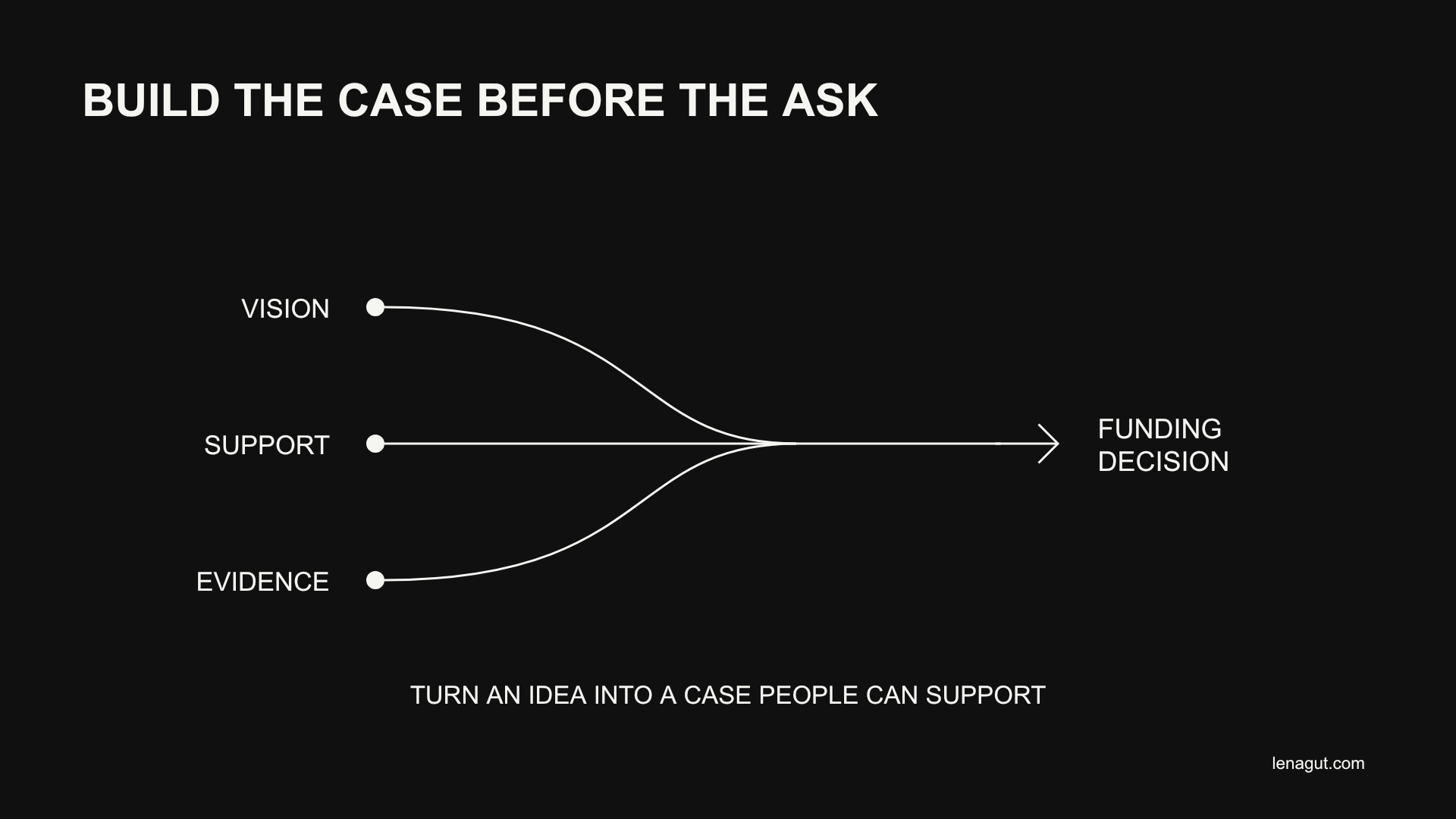
You have an idea for a digital transformation. You can see what could improve. But you do not have the budget yet. A digital transformation audit helps you prepare before you ask for it.
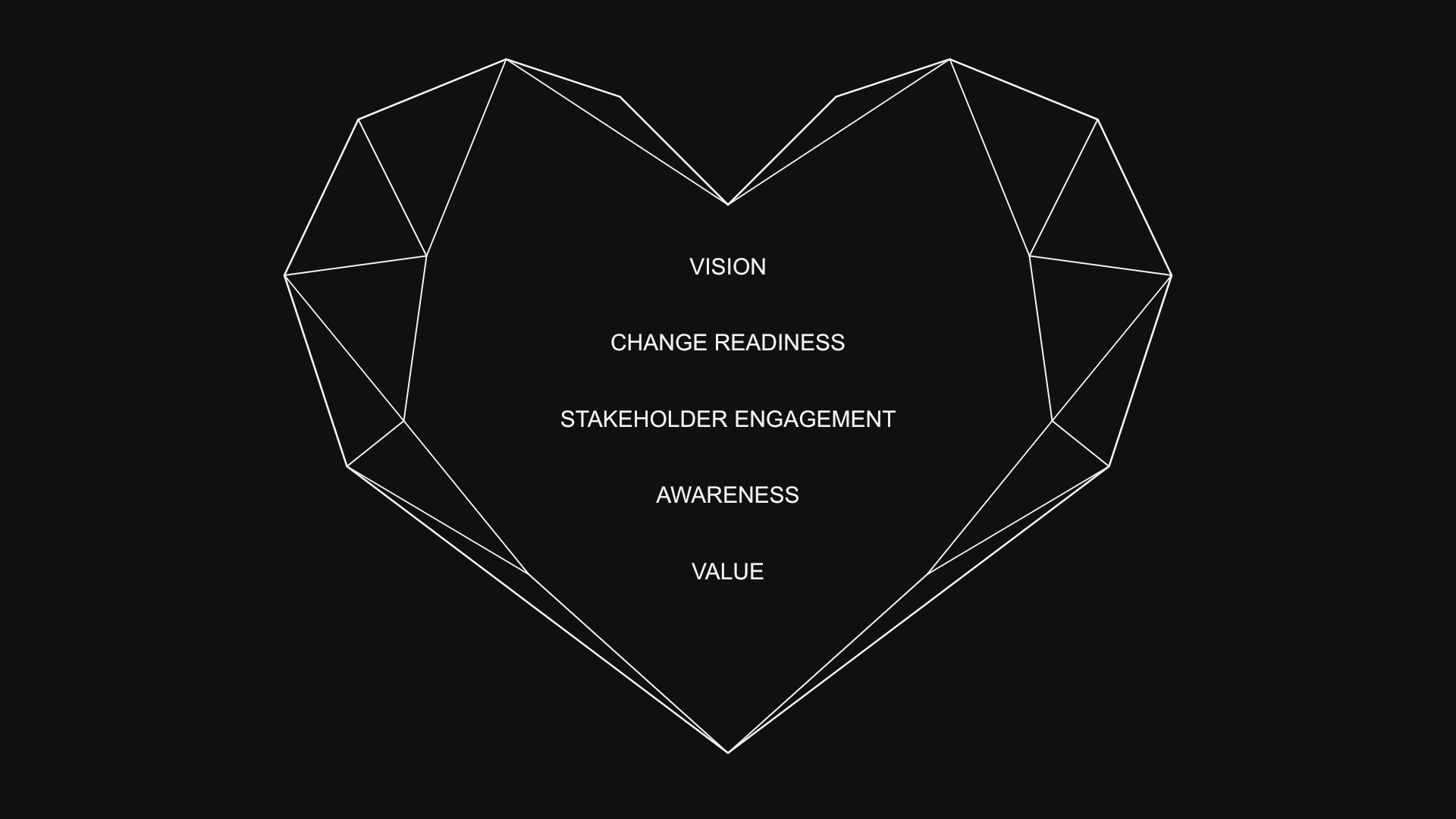
This kind of digital transformation audit is a structured self-assessment of the homework behind your funding request. It helps you examine your vision, change readiness, stakeholder engagement, awareness and value before asking for investment.
María Morris and I are exploring this work in our book, How Great Transformations Win Hearts Before They Change Systems.
Alongside the book, we have created a transformation audit and a configurator to help you reflect on where your initiative stands.
Preparing for a digital transformation: the work about the work
A few weeks ago, a customer said something I have not stopped thinking about:
The work about the work is a lot of work.
I understand what they meant. Bringing people along takes work throughout a transformation, as they question assumptions and change how they work together.
You are trying to make space for work that has not been approved yet, alongside everything already on your desk.
There is a reason this can feel frustrating. You can see the possibility, but other people still need to understand why it matters to them. Building that understanding takes effort.
So does finding out that an assumption is wrong or that a team cannot contribute when you hoped. The audit gives this preparation a structure.
It helps you spend the time on questions that matter, rather than polishing the same proposal without learning anything new about whether the organisation can actually support it.
It is easy to keep developing the solution while the reasons to invest remain unclear. The conversations around value, priorities and support can be harder.
But, if we are honest about it, these are the things that really move the needle.
What does a digital transformation audit assess?
A digital transformation readiness assessment helps you examine the preparation behind your business case. Is the purpose clear? Have the right people helped shape the idea?
Do you understand the change people would need to make and the value the organisation could expect?
I think of the audit as a compass. It helps you decide where to direct your attention before asking people to commit money, time and support. The point is to see which homework needs doing next.
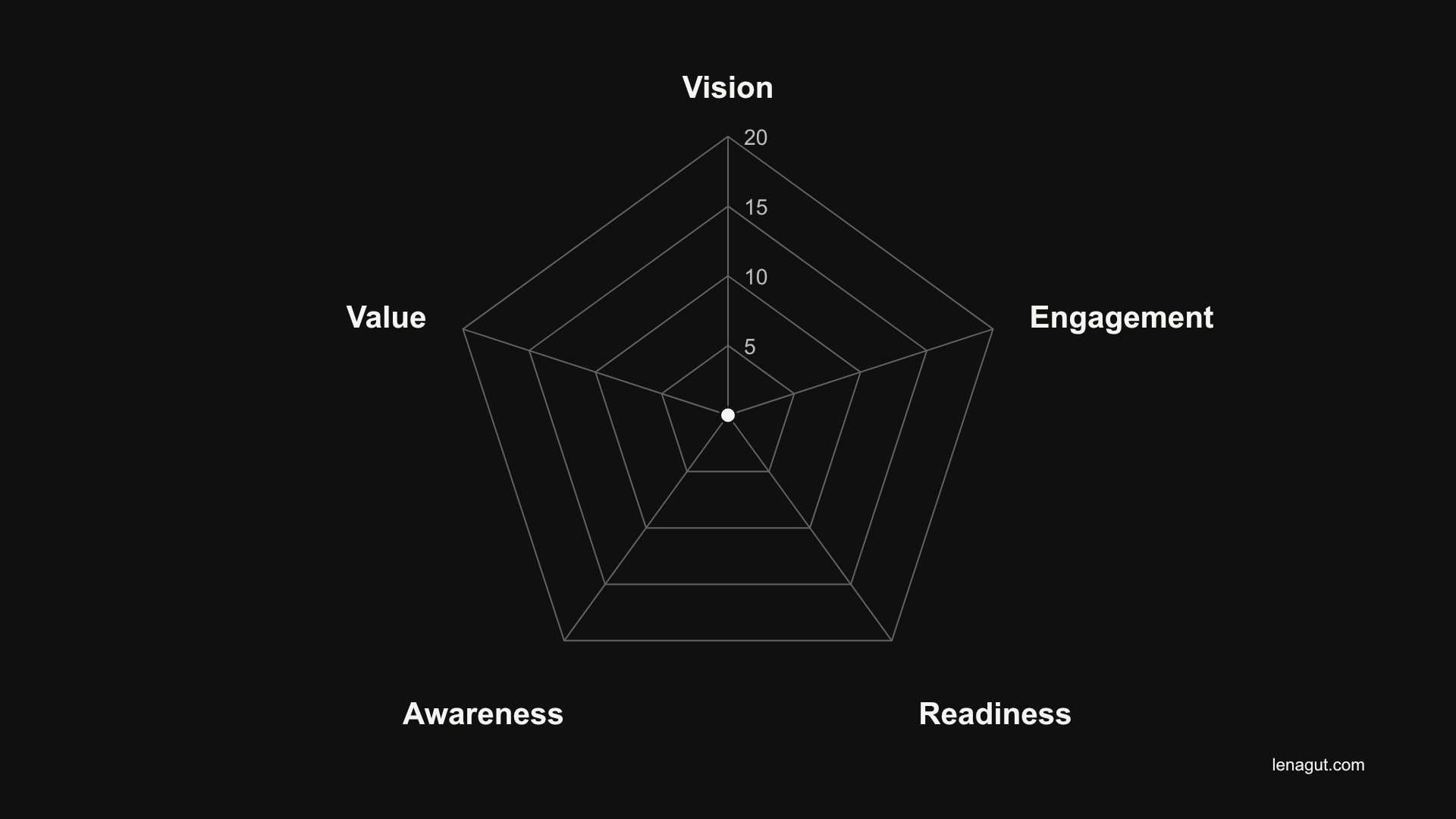
Our audit contains 25 statements across five dimensions and takes about ten minutes. Score each statement from zero, not at all true, to four, completely true. Each dimension totals twenty points, giving a total out of one hundred.
There is no pass mark.
- Vision asks whether there is a clear, shared reason for the transformation, connected to business priorities and a future people can understand.
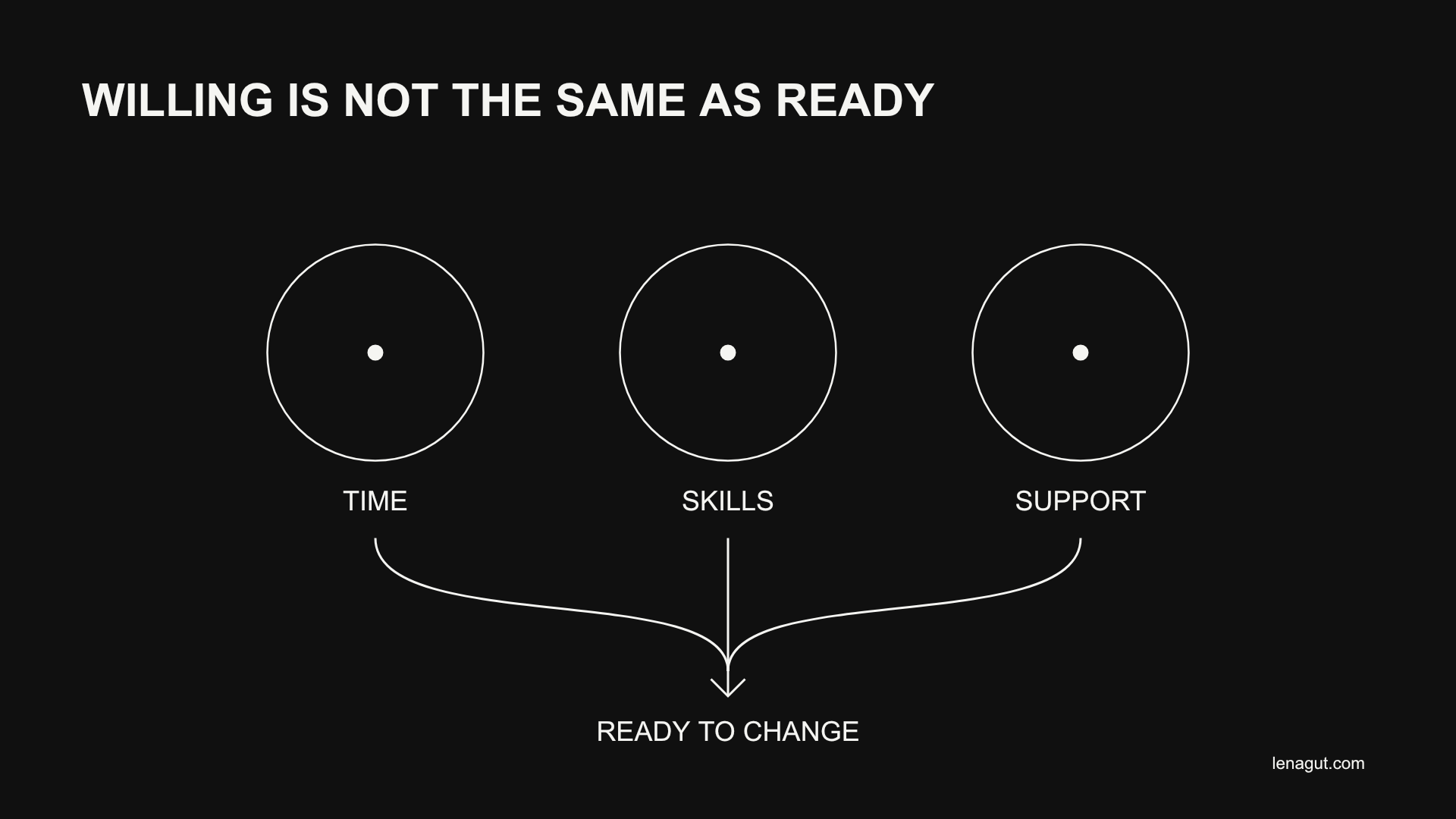
- Change readiness considers whether people can take it on, including the time, skills and support they would need.
- Stakeholder engagement looks at who has helped shape the initiative, including people affected by the change and those whose support you need.
- Awareness asks whether people understand why the change is needed now and what it would mean for their daily work.
- Value examines the benefits behind the investment, the evidence supporting them and who would own the outcomes.
Together, the dimensions give structure to conversations that can otherwise remain vague.
Change readiness assessment: how ready are the people involved?
In a digital transformation audit, change readiness deserves attention before funding is approved. Someone can support the idea and have no time to contribute. A team can want a better way of working and still need help making the transition.
Ask what people would need to stop doing to make room for this. What skills would they need? Which concerns have you understood? What support should be included in the funding request?
Those answers strengthen the proposal and give people a voice.
This is part of the work about the work. It takes time, but it helps you understand what you are asking the organisation to take on.
How to run a digital transformation audit consistently
- Start the audit with one initiative. Name it, define its scope and record the date. Keep that scope when you return, so you can compare the preparation behind the same proposal.
- Score what is true today. A stakeholder meeting booked for next month is still a conversation waiting to happen. Training you hope to arrange is still an assumption about support. Planned work should not receive the same weight as completed preparation.
- For each score, write a short evidence note. What conversation, decision or document supports it? Where are you relying on your own interpretation? Keep the notes with the results so you can explain later why a score changed.
Turn your audit results into action
Invite other perspectives. A sponsor, a team manager and someone whose daily work would change may answer differently. Ask them to score independently before discussing the results. Differences can reveal homework a single project perspective would miss.
For example, the project team may believe priorities are clear while a department manager cannot explain which existing work would stop. Explore that difference before agreeing on an action. Averaging scores immediately could hide the conversation you need.
Look at the five dimensions before focusing on the total. A strong vision can sit alongside weak engagement. An attractive benefits story can depend on teams who have no capacity.
The total can hide important gaps.
Start with your two weakest dimensions. For each, choose an action, an owner and a date. If vision is weak, bring potential sponsors together to agree why the initiative matters.
If value is unclear, establish a baseline and test a benefit assumption with the people doing the work.
Agree when to revisit the digital transformation audit, perhaps after those actions are completed or before the next funding discussion. Use the same statements and rating scale. Review the evidence behind changed scores.
Repeating the exercise without changing anything in practice adds little.
This digital transformation audit is a self-check, not a validated diagnostic. It cannot predict approval or prove that a transformation will succeed. Use it to identify questions worth resolving and make the next conversation more concrete.
Take the audit through our configurator and use your two weakest dimensions to choose your next step. You have the idea. The compass helps you decide which homework comes next.
Join the newsletter
Practical insights on AI, leadership and innovation — every week.