
March 8, 2026
Five Women in a Room of One Hundred

What International Women’s Day Means to Me
I still remember my first day at university.
I walked into the algebra lesson at the aeronautical engineering school and looked around. One hundred students. I counted the women.
Five.
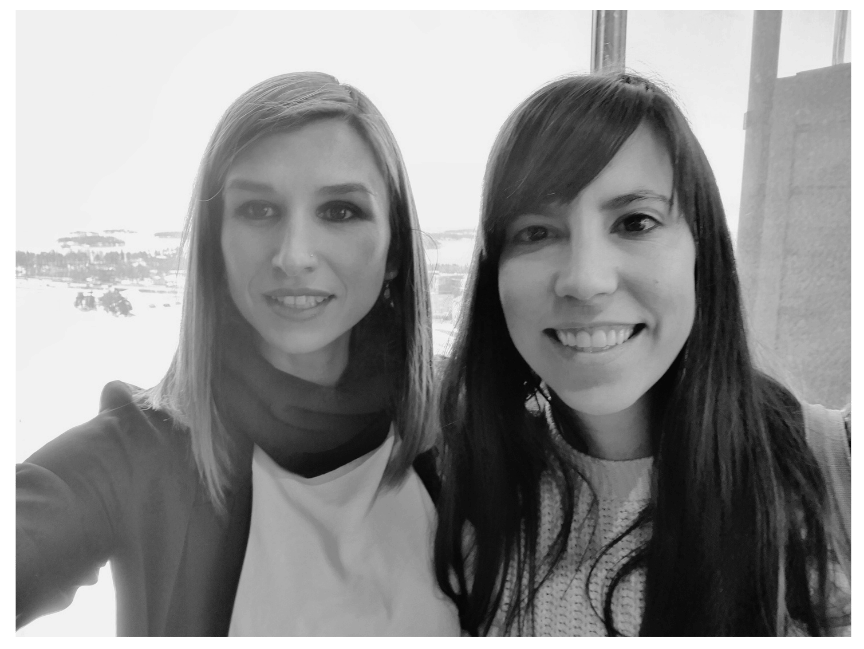
One of them was Bea, my nowadays friend and cofounder.
But that morning, we were just two young women sitting in an algebra class full of men, wondering if we belonged.
That feeling never fully left me.
It followed me through my career in technology, through boardrooms where I was often the only woman, through moments where I had to prove myself twice as hard just to be heard.
Today is International Women’s Day.
And I don’t want to write a celebratory post.
Because the numbers tell a story that hasn’t changed nearly enough.
IWD 2026: The Pipeline That Keeps Leaking
When I sat in that algebra lesson at engineering school, we were five women out of a hundred.
That ratio has barely shifted. Today, women make up only 35% of STEM graduates globally — a figure that has remained stagnant for an entire decade. In engineering specifically, women still represent fewer than one in four graduates.
And it gets worse after graduation.
35% of women with STEM degrees leave their fields within the first five years. Not because they aren’t capable. But because the environment pushes them out — through isolation, bias, and a system that wasn’t designed with them in mind.
The pipeline doesn’t just have a gap at the entrance. It leaks all the way through.
The Price of Being a Woman at Work
Even when women stay, they’re paid less.
Globally, women earn between 77 and 83 cents for every dollar men make.
In STEM, the pay gap sits at 13% in science and 10% in engineering.
And for mothers, the gap widens dramatically.
Women with children earn just 75 cents for every dollar fathers make. Meanwhile, fathers actually earn more than childless men.
Becoming a parent penalizes women and rewards men.
That’s not a gap.
That’s a structural failure.
The Invisible Ceiling Above the Middle
Women hold 49% of entry-level positions. That’s almost parity.
But at the top, the picture collapses.
Only 29% of C-suite roles are held by women. Just 11% of Fortune 500 CEOs are women. And only 33.5% of senior leadership roles worldwide belong to women — with full parity not expected until 2053.
I’ve lived this. I know how hard it is to lead while also being a mother.
When my children were small, I felt the pull constantly. The pressure to perform as if I had no other responsibilities. The unspoken expectation that I should handle both worlds flawlessly.
For every 100 men promoted to manager, only 93 women get the same opportunity. For women of colour, it drops to 74.
At the current pace, it will take over 123 years to close the global gender gap.
My children will not see it.
Their children might not either.
Where Are the Women I Can Look Up To?
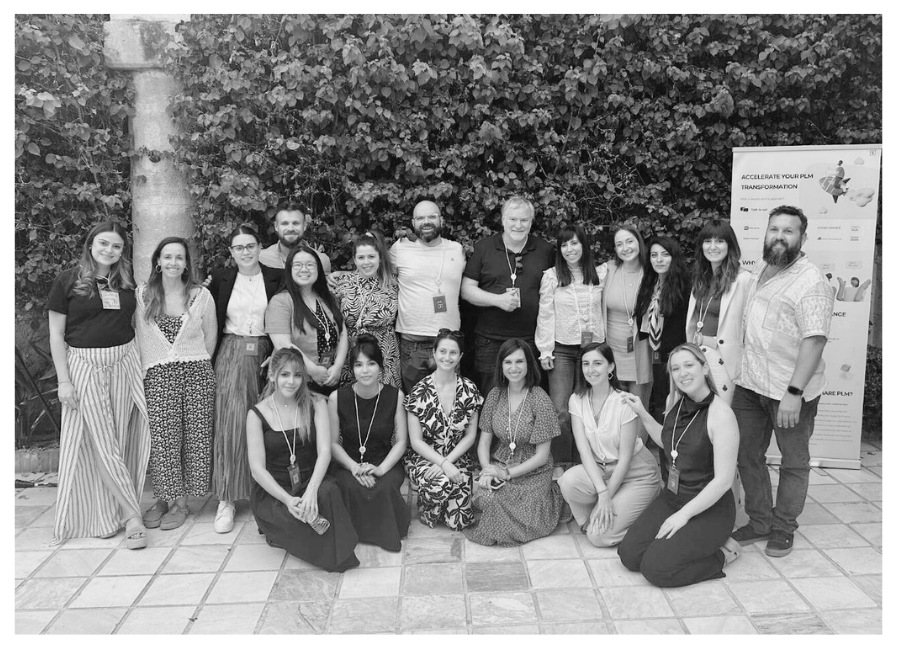
When I was starting out, I didn’t have many role models who looked like me.
The leaders I saw were almost exclusively men.
The conference speakers, the industry experts, the people writing the books and shaping the conversations: men.
It’s hard to become something you’ve never seen.
That’s why role models matter so deeply. Not because we need permission to dream, but because seeing someone who has walked a similar path makes the dream feel possible.
Later in my career, I was lucky to meet women who inspired me in a different way. Women who showed me that leadership doesn’t mean trying to behave like a man. They showed me the power of leading with feminine energy: with empathy, intuition, collaboration, and strength that doesn’t need to imitate anyone else.
That realization was powerful. But it also made something very clear to me: we need many more role models.
This is something I carry with me every day. It’s woven into everything I do at my companies and in my life.
I believe the most powerful thing a woman in a position of influence can do is reach back and pull someone forward.
IWD 2026: This Is Personal
International Women’s Day is not a hashtag for me.
It’s a reminder of the algebra class where I counted five women.
It’s a commitment to build workplaces where the next generation doesn’t have to count.
It’s a belief that when one woman rises, she should reach back and bring others with her.
Because the numbers won’t change by themselves.
They change when we speak about them.
When we refuse to accept them.
When we build companies and communities where women are not the exception.
They change when we lift each other up.
And that starts with each of us choosing to show up: not just for ourselves, but for the women coming after us.
Happy International Women’s Day.
Join the newsletter
Practical insights on AI, leadership and innovation — every week.