
August 17, 2026
Holidays in North Spain
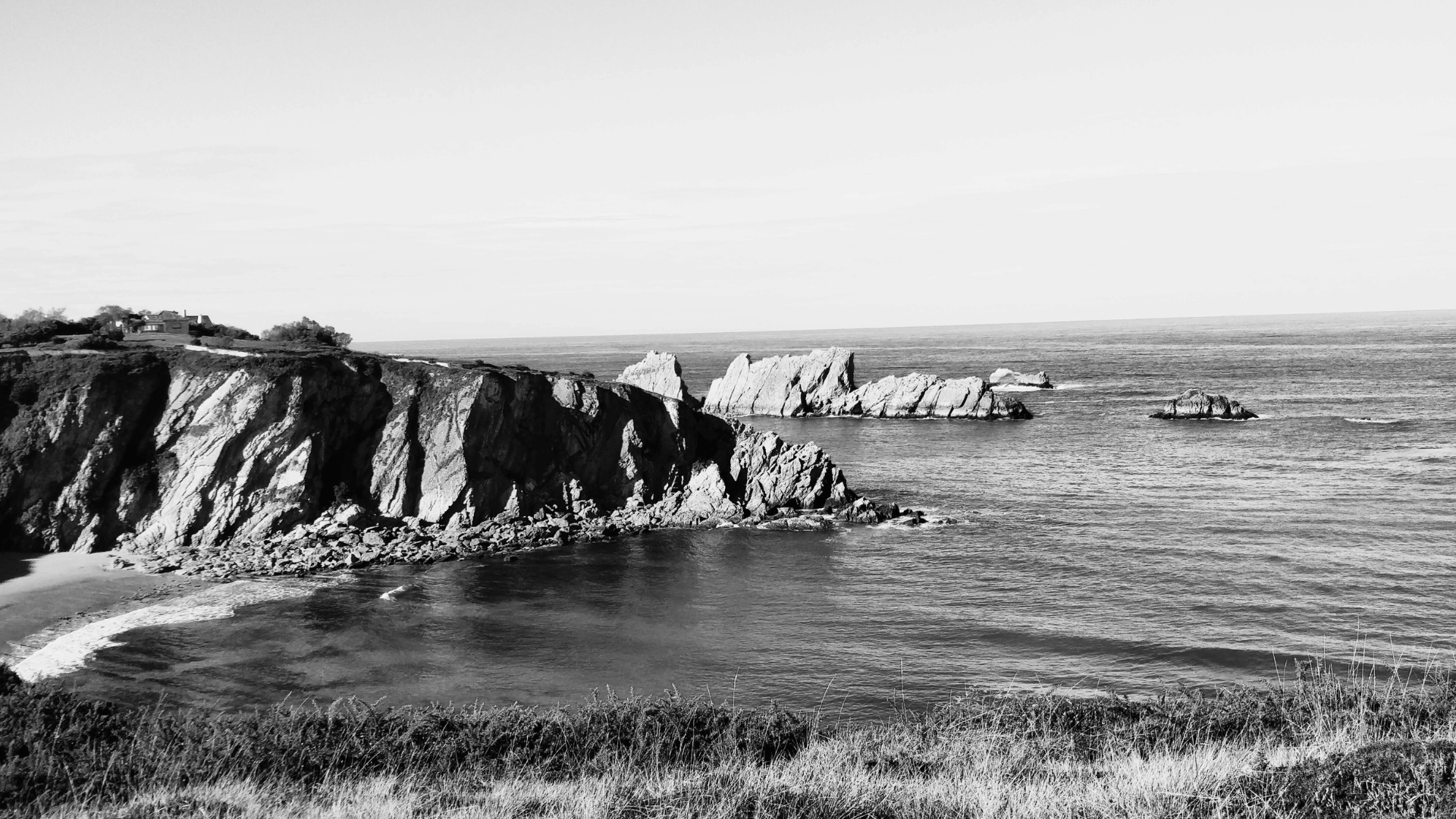
Greetings from my holidays in North of Spain, where we are spending almost a month this summer.
These are what I call my half holidays. I still work in the mornings, usually until sometime after lunch, and then I try to keep the rest of the day for family, friends and everything that summer here brings.
It is actually a rhythm I really enjoy. I get to continue working, but from a completely different environment. And every year I notice the same thing: when you change your environment, you somehow change your perspective too.
So, a few summer thoughts about two old friends, the very different choices they have made, and something I have been thinking about a lot lately: the importance of creating options in life.
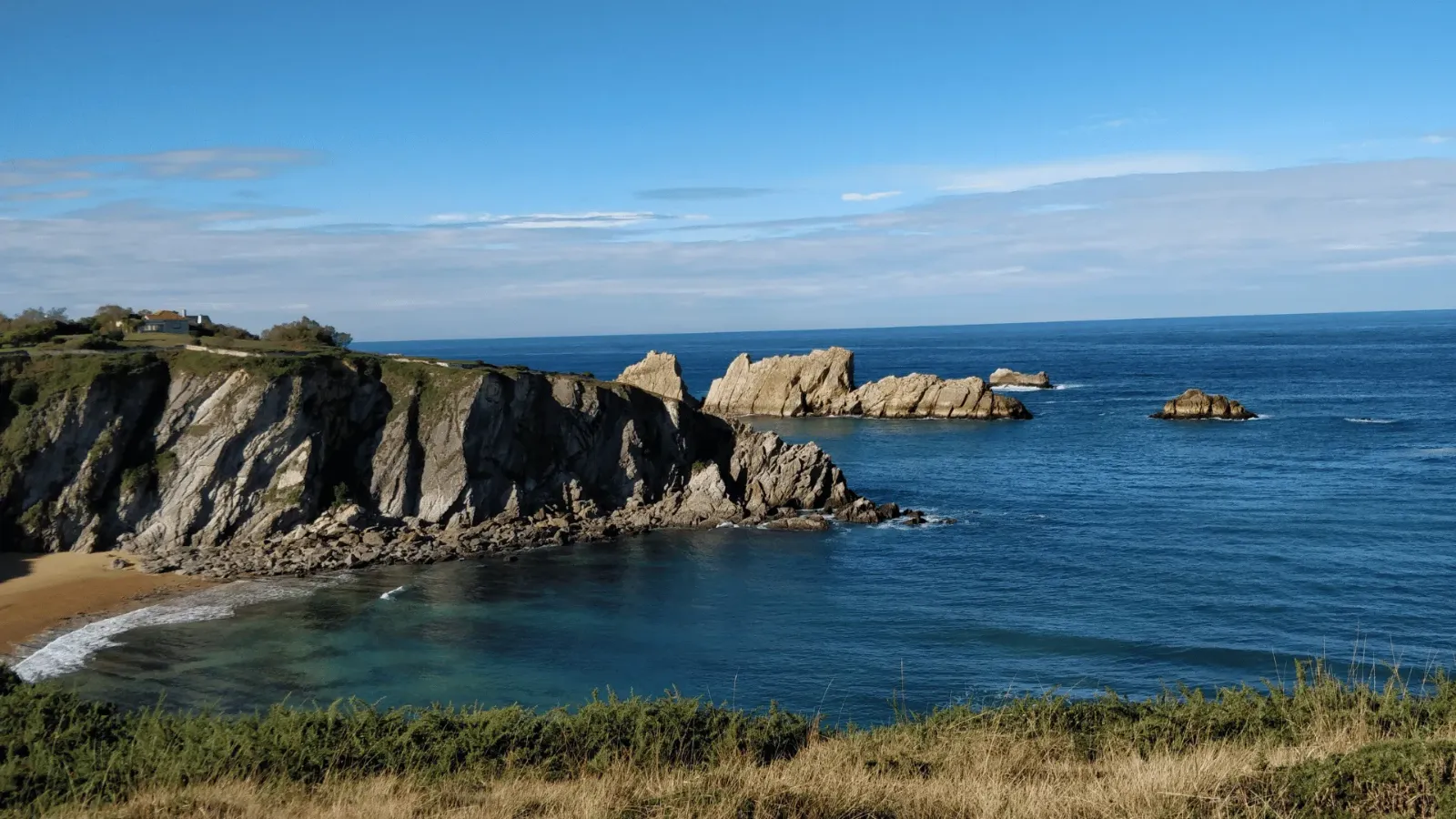
Holidays in North Spain: how changing environment clears your thoughts
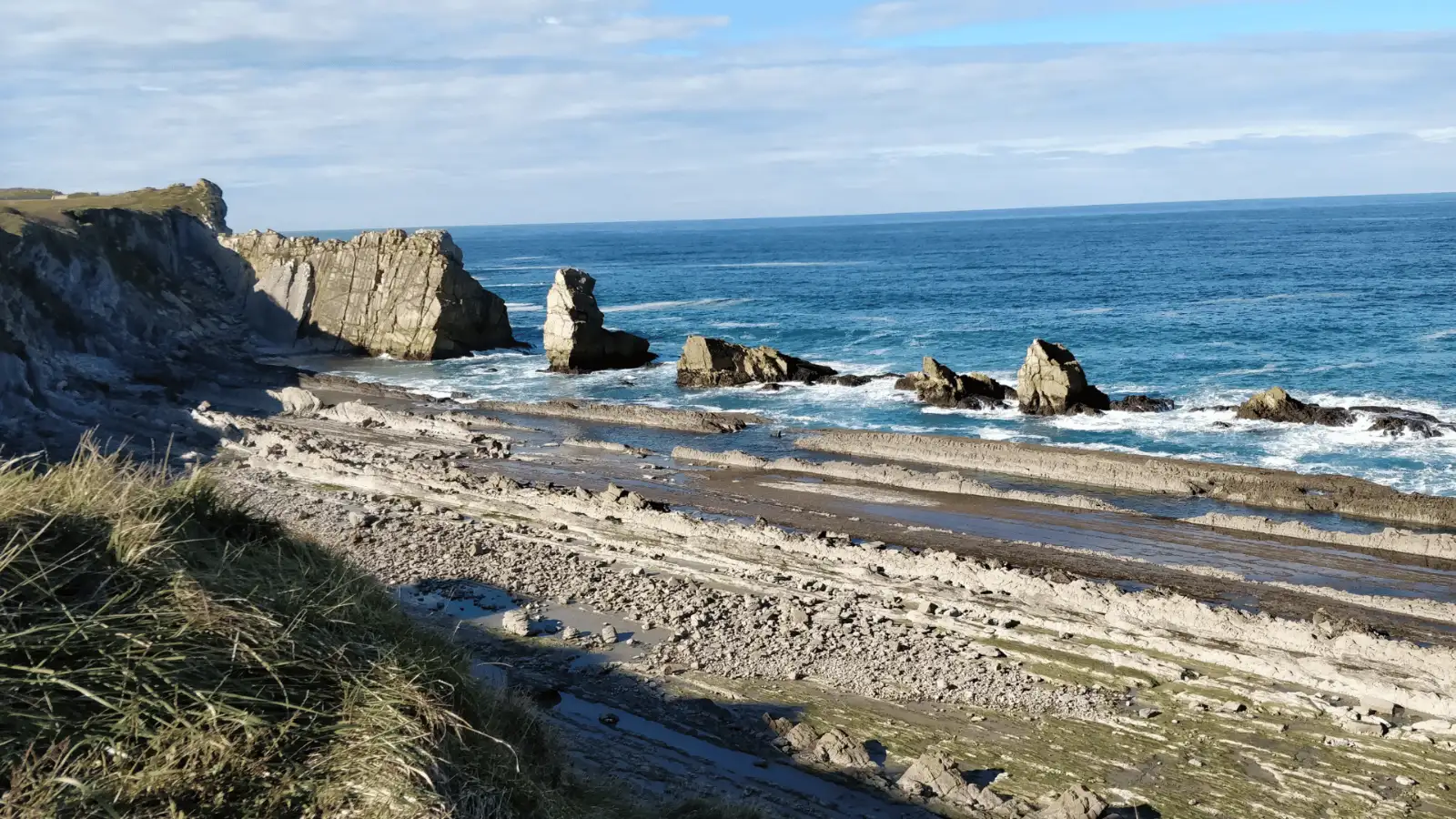
The longer I live outside Spain, the more I realise how magical the north of the country is. It is green and wild, with mountains that almost fall into the sea, tiny villages, unpredictable weather, and an Atlantic coast where the tides completely transform the landscape every few hours.
For many years, northern Spain remained relatively undiscovered compared with the Mediterranean coast. That is changing. Summers are getting hotter, people are looking for places where they can escape the extreme temperatures, and suddenly the north is becoming much more popular.
There is something about this landscape that makes you slow down.
Every year, we spend part of our summer in a tiny village called Arroyo.
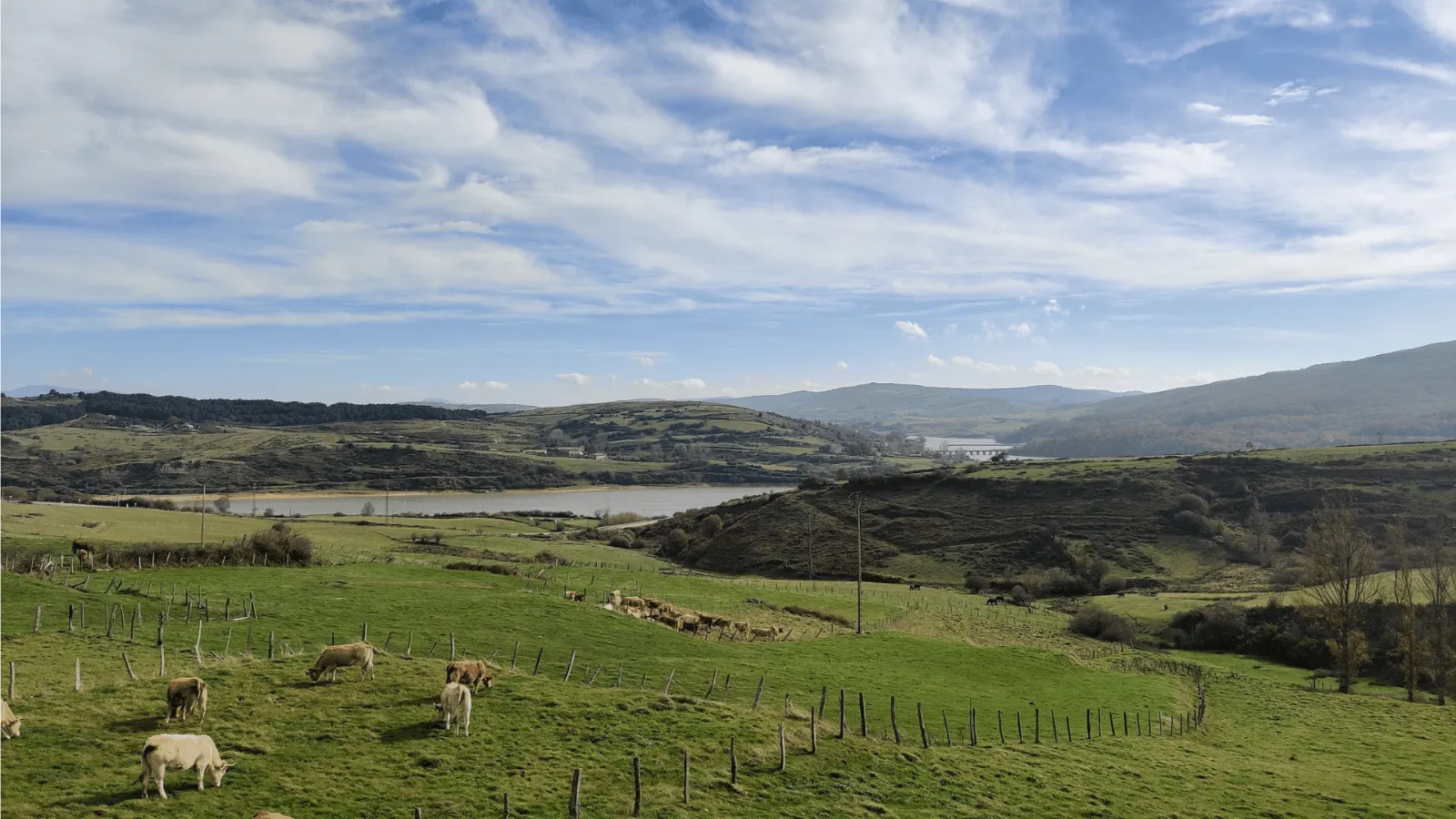
My family comes from this area, and our connection with this place goes back generations.
During the year, very little happens here. Then August arrives and suddenly houses open, terraces fill up, children run around, and families that have been scattered across Spain and Europe return.
There are people here whom I literally see once a year.
We meet every summer, spend long evenings together, and then disappear back into our completely different lives until the following August.
We sit in many of the same places where we used to go out when we were younger.
We remember old stories while talking about children, work, businesses and everything that has happened during the previous twelve months.
It is almost like taking a yearly snapshot of people’s lives.
And because you haven’t been part of their everyday reality, you sometimes notice patterns that perhaps they don’t notice anymore.
Which brings me to Francisca.
The problem with Francisca
Francisca was one of my closest friends when we were children. Today, we mostly see each other during the summer.
She has a good degree and quite a collection of additional qualifications. In Spain, we have a word for this: titulitis. The tendency to accumulate degrees and certificates and sometimes confuse qualifications with actual professional value.
And every summer, at some point, Francisca and I end up talking about her work.
She hates it.
Her company is terrible.
Her managers don’t understand her.
The organisation is badly managed.
She is stressed.
Other people get opportunities they don’t deserve.
And maybe she is right.
Companies can be badly managed.
Managers can be terrible.
Organisations can create incredibly frustrating environments.
But here is the part I struggle with.
I have been hearing essentially the same story for eleven years.
At some point, the problem stops being only the company.
At some point, it becomes your problem too.
I see this much more often than I would like, not only with Francisca. People spend years unhappy with their jobs while explaining why someone else is responsible for their situation: their boss, the company, their colleagues, the economy, the market.
And sometimes they absolutely are.
But there is a difference between being stuck in a difficult situation for a period of time and spending a decade in exactly the same situation while waiting for everyone around you to change.
After eleven years, you have made thousands of small decisions to stay.
That doesn’t mean leaving is easy.
It means recognising that staying is also a decision.
Now meet Fernando
Fernando is quite different.
He didn’t go to university and doesn’t have the academic background Francisca has. But he has something else that I find incredibly valuable: curiosity.
Fernando speaks three languages because he has lived in three different countries. He has moved around. He has adapted. He is always learning something new.
He has what I would call street intelligence.
He currently has an executive position in a large company in Spain, and I don’t remember hearing him complain much about his employer.
But this summer he told me something new.
He has finally decided to start his own business.
He wants to build a small hotel here.
It is not without risk. He knows that. He doesn’t have everything figured out, and there are plenty of things that can go wrong.
But during our last evening together, he said something that stayed with me:
“If it doesn’t work, it doesn’t matter. I have plenty of options.”
That sentence captures something I think is incredibly important.
Fernando has spent years creating options.
Languages are options.
Experience is an option.
Relationships are options.
Curiosity creates options.
Being willing to move creates options.
Learning new skills creates options.
Having the confidence that you can figure things out creates options.
And options create freedom.
We need more Fernandos
I think we need more Fernandos in the world.
Not necessarily more entrepreneurs. Entrepreneurship isn’t for everyone, and starting a company isn’t automatically better than having a job.
What we need are more people willing to take responsibility for their own decisions.
Something bad happening to you doesn’t automatically mean it is your fault.
But when the same thing keeps happening for years and nothing changes, there comes a point where you have to ask a much more uncomfortable question:
What am I doing about it?
I see this in my daily work too.
People sometimes spend enormous amounts of energy trying to change things they have very little control over: their managers, their organisations, their colleagues, the economy, technology, the market.
Yet we often spend surprisingly little energy on the things we can control.
- What am I learning?
- What value am I creating?
- Which skills am I building?
- Who am I surrounding myself with?
- What options am I creating for myself?
That is why I always recommend to young, hungry people: keep building your value.
Because ultimately, the market pays for value.
A degree can open doors, but it doesn’t guarantee that those doors will remain open forever. The world changes. Technology changes. The skills that made you valuable ten years ago might not be the skills that make you valuable ten years from now.
So keep learning. Stay curious. Learn languages. Meet people. Try things. Be willing to move. Be willing to change your mind.
Create options.
Francisca has plenty of qualifications, but she doesn’t speak another language, doesn’t want to move and doesn’t seem particularly interested in changing direction. She wants her situation to change while most of the variables she controls remain the same.
That leaves her with very few options.
Fernando has built his life differently.
If the hotel doesn’t work, he will do something else.
If his job disappears, he will find another one.
If he needs to move, he can move.
As he told me that last night: “I have options.”
And perhaps that is the real lesson.
Take responsibility for the things you can control, and keep creating options for yourself.
You might never need most of them.
But knowing they are there changes the way you look at the future.
And it might even change the conversations you have when everybody meets again in Arroyo next summer.
Join the newsletter
Practical insights on AI, leadership and innovation — every week.