
October 25, 2026
Stakeholder Engagement Plan with Examples and Templates

A stakeholder engagement plan helps you decide who needs to be involved in a change, what you need to understand together, and how those conversations will lead to decisions. The useful part is what happens after you have written the names down.
Years ago, I worked with a client who launched an initiative requiring tens of millions of euros. Watching her work changed how I thought about influence. She knew whom to speak with first, what mattered to each person, and when to bring people together. She listened, adapted her approach, and gave people a role in shaping the initiative.
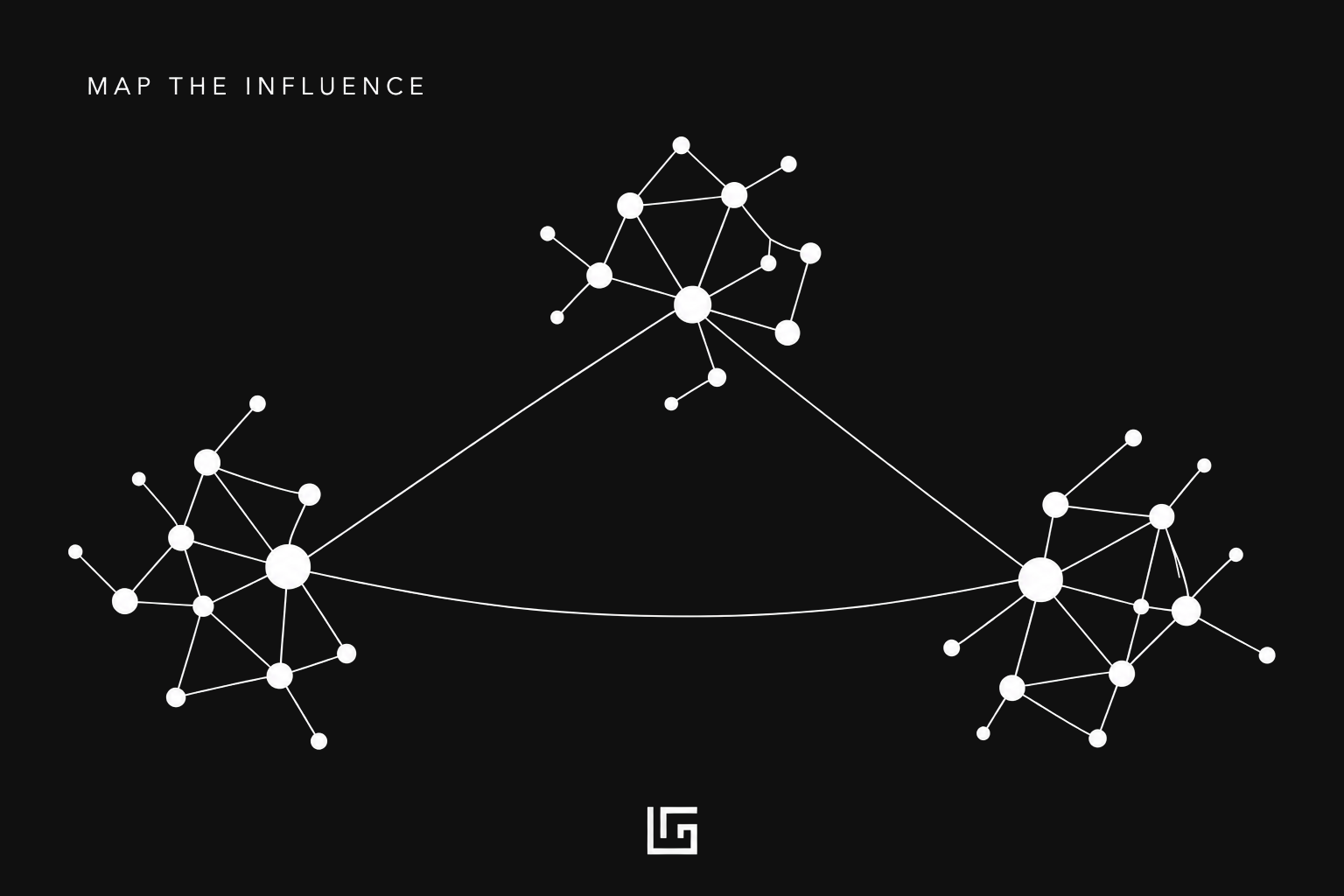
I began to see stakeholder work as an architecture of conversations. You create the conditions for people to understand a problem, contribute to a solution, and take responsibility for what happens next. I call this Stakeholder Architecture.
In this guide, I explain the three steps I use: map the organisation, engage people in shaping the initiative, and build the business case for funding. You will also find a stakeholder engagement plan example and a copyable template to adapt to your own project.
What is stakeholder management?
Stakeholder management is the ongoing work of understanding the people affected by an initiative, involving them appropriately, and following through on decisions and commitments. In practice, it includes identifying stakeholders, listening to their needs, working through competing priorities, and keeping engagement useful as the project changes.
A stakeholder in project management is a person or group who can affect the project, is affected by it, or has a relevant interest or responsibility. That might be the sponsor approving investment, the engineer whose daily work will change, or the regional team expected to adopt a new process.
The word “management” can make this sound more controllable than it is. People have their own responsibilities, concerns, and judgement. A good plan helps you work with that reality rather than assume that a presentation will create agreement.
Stakeholder mapping, analysis and engagement
These activities connect, but answer different questions:
- Stakeholder mapping: Who is involved, and how do they connect across the organisation?
- Stakeholder analysis: What matters to them, what will change for them, and what authority or influence do they have?
- Stakeholder engagement: Which conversations and actions will help them contribute, make decisions, and move the work forward?
A stakeholder management plan may bring all three together with responsibilities, decision routes, and communication arrangements. The engagement plan below focuses on the practical relationship work within that wider plan. You do not need separate documents for every label if one well-maintained working document serves the team.
The Association for Project Management’s guide to stakeholder engagement also distinguishes identifying stakeholders from building relationships through consultation and collaboration.
A three-step stakeholder management process
My approach follows three steps:
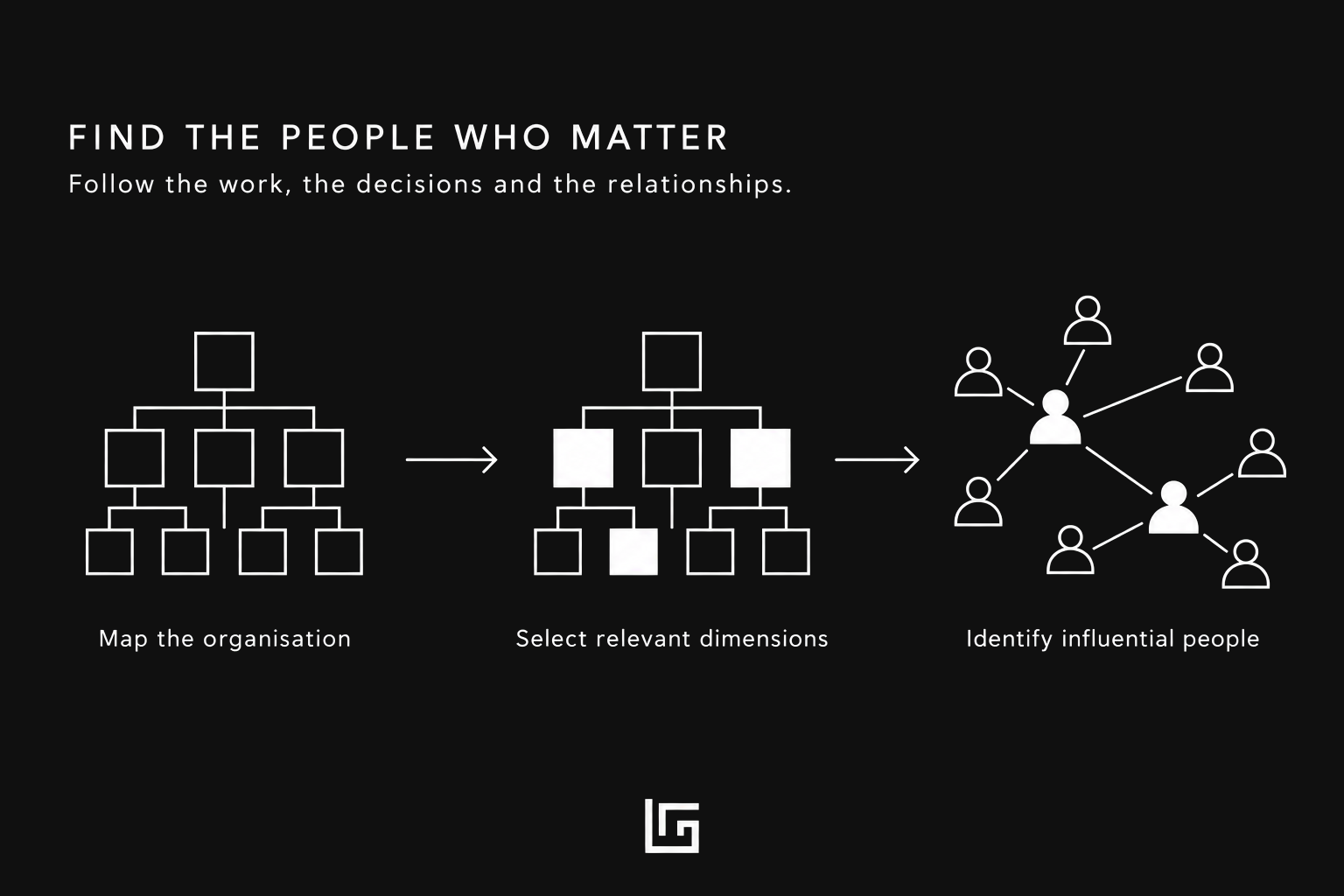
- Map your organisation. Understand the dimensions affected by the initiative and identify relevant decision-makers and influential people.
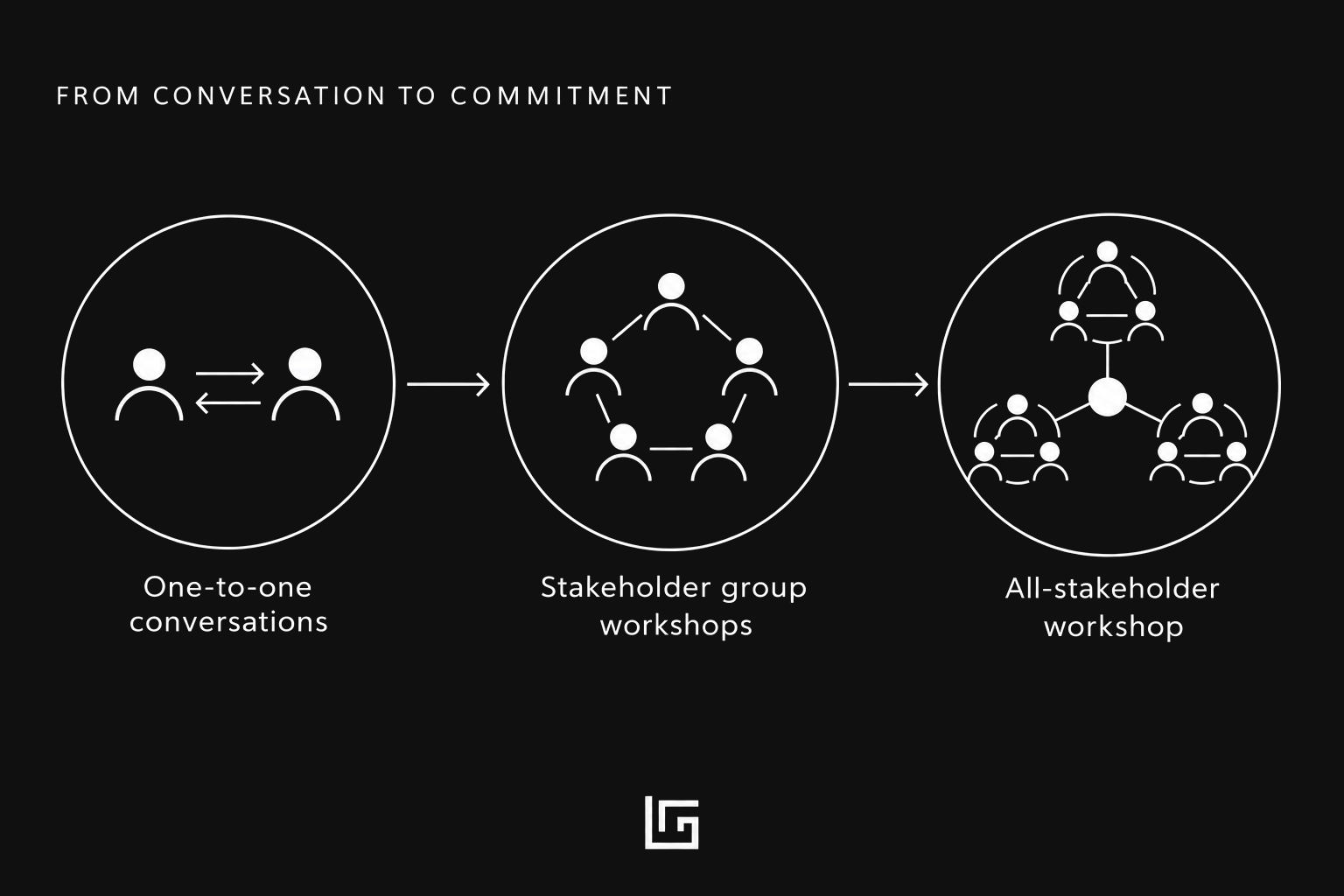
- Engage stakeholders in shaping the work. Move from individual conversations to department discussions and then a shared workshop.
- Build the business case and funding support. Connect the agreed scope with evidence, benefits, costs, risks, and commitments.
These steps are iterative. An early conversation may reveal a missing team. A workshop may expose a dependency that changes the scope. A funding discussion may require better evidence. Return to the map and the conversations when that happens.
Step 1 Map your organisation before listing names
For stakeholder analysis in project management, the organisation chart is a useful starting point, but it rarely explains everything you need to know. Begin with the parts of the organisation the initiative could affect.
Look across geography, function and product
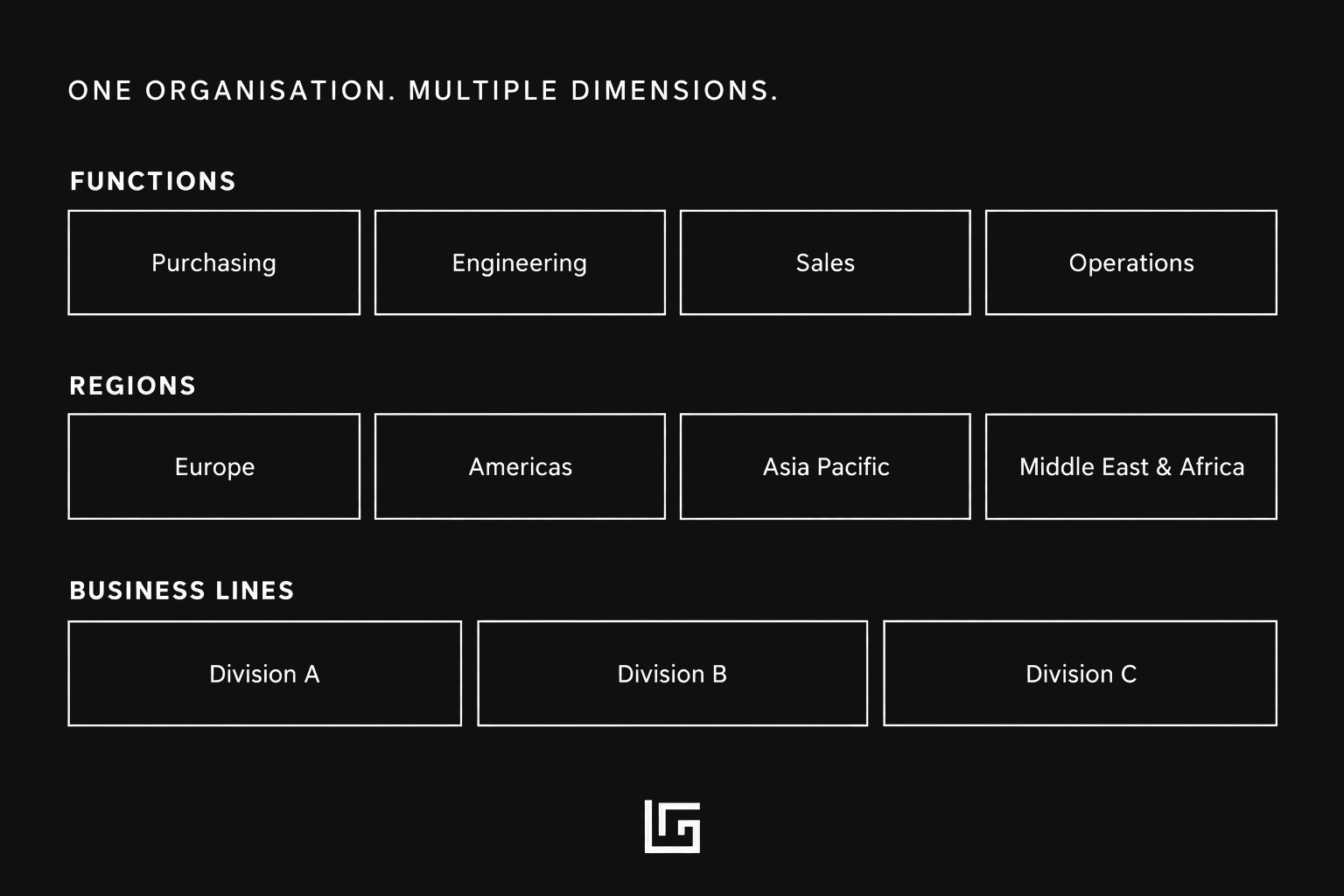
I start with three dimensions:
- Geography: Countries, regions, markets, and sites. Local priorities and working conditions may differ.
- Function: Purchasing, Sales, Engineering, Innovation, Research and Development, and other relevant teams. Each brings different processes, dependencies, and measures of success.
- Product or division: Business ownership, product leadership, budgets, and roadmaps. Similar roles may have different responsibilities across divisions.
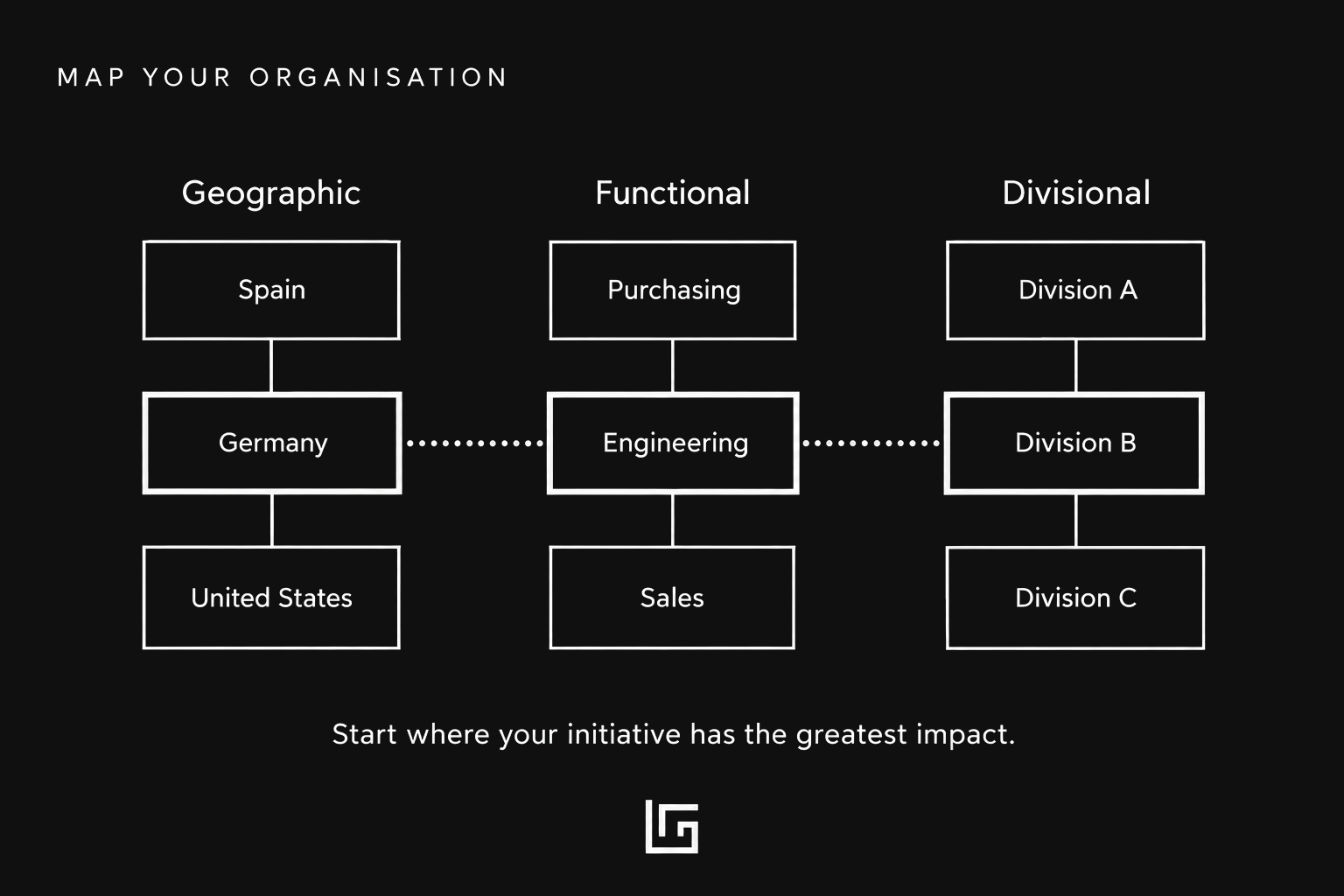
Choose the dimensions that matter for your initiative. You do not need to map the entire company. Start with where the change will have an impact, then identify the people who enable that change.
The intersections are often revealing. “Sales” is broad; a Sales leader in Germany responsible for a particular product division is more specific. That specificity helps you test whether you are hearing a representative view or only one part of the story.
Public information and research tools can help you understand an unfamiliar organisation. Treat their output as a starting hypothesis and verify it through current internal knowledge. Do not put confidential organisational or personal information into a tool unless your organisation has approved that use.
Separate decision authority from informal influence
The person who approves the budget is not necessarily the person colleagues trust when deciding whether a new way of working is credible.
Record these separately:
- Decision authority: What can this person formally approve, reject, prioritise, or commit?
- Informal influence: Whose judgement do others seek, and in which team or context?
- Impact: How might the initiative change this person’s work, responsibilities, or results?
Someone can have high impact and little formal authority. That is a reason to make room for their experience, not leave them until the final communication. Similarly, influence is contextual. A respected engineer may strongly influence adoption within a team without controlling investment across the business.
Avoid turning the map into a collection of personal labels. Write down relevant observations and questions that can be checked. “Raises concerns about duplicate data entry” is more useful than “resistant”. The first tells you what needs investigating.
Build a map you can update
For each relevant role, record the organisational context, likely impact, decision rights, known concerns, and the next person who can help validate your understanding. Mark assumptions explicitly.
Ask: Who have we not heard from? Who will operate or maintain what we are proposing? Which country, function, or product team might experience this differently? Who needs to be involved before the scope becomes difficult to change?
Your first map should help you choose the next conversation. It does not need to look complete before you start learning.
Step 2 Create your stakeholder engagement plan
The plan should explain why each conversation is needed and what you will do with what you learn. “Send monthly update” is an activity. “Validate the problem with the team that experiences it before agreeing scope” is a purpose.
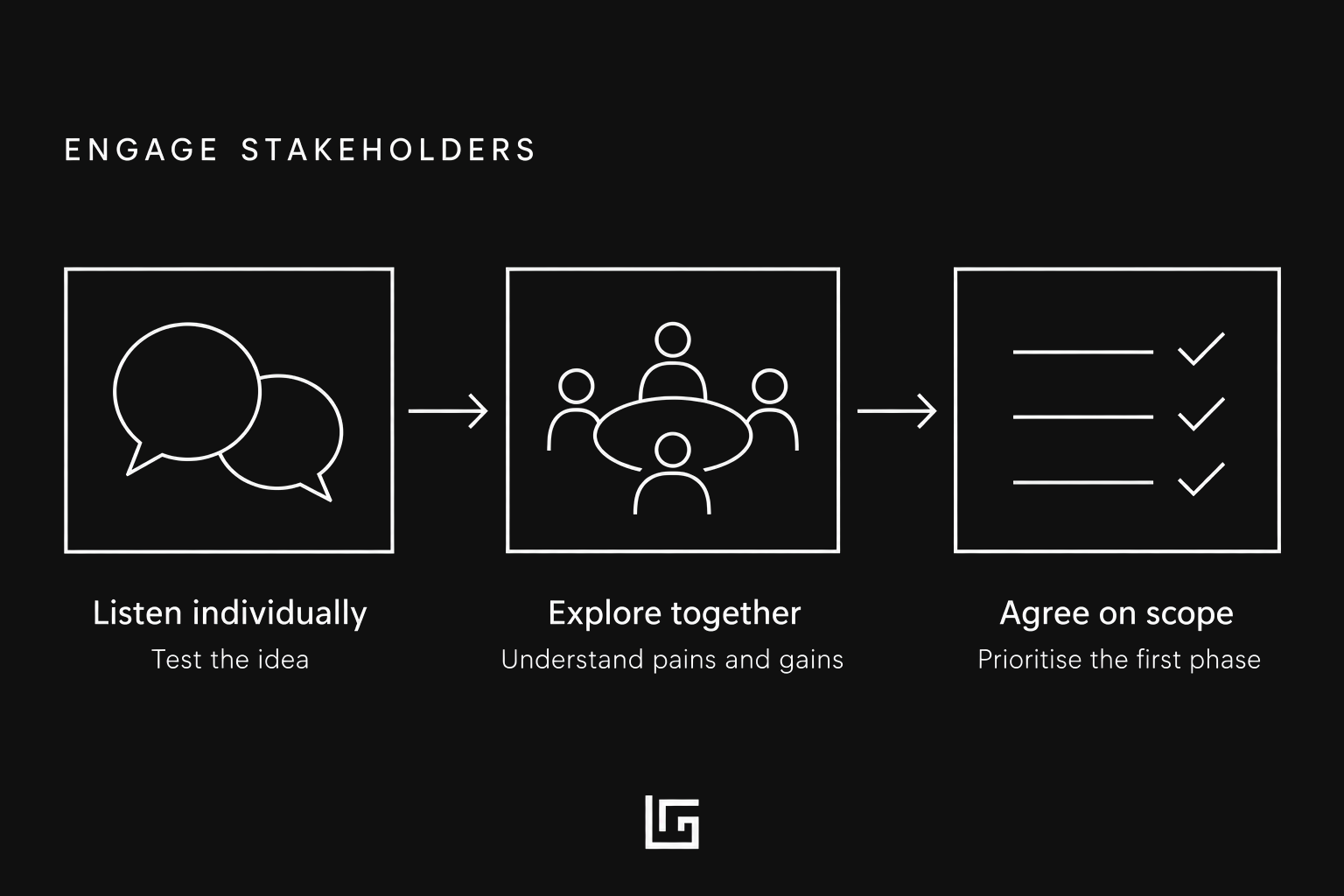
I use three types of conversation, in sequence where possible, while allowing people to revisit earlier discussions.
Begin with one-to-one conversations
Start with influential people who can help you test the idea and understand the organisation. My opening is often simple: “I’m thinking about this, and I’d like to get your advice.”
Explain the idea briefly, then ask what would make it useful. Which problems are worth solving? What have you misunderstood? Who else should you speak with? What would need to be true for this person to support the next step?
Listen for changes you should make, not only signs of approval. If you adapt the idea, explain how their input helped. If you cannot incorporate a suggestion, explain the constraint rather than quietly dropping it.
A short vision or concept deck can make the discussion concrete. It should leave room for contribution. An overdeveloped solution can make an invitation to shape the work feel less credible.
Begin the funding conversation early as well. Find out who owns the relevant budget, who can sponsor the initiative, and what evidence the decision process requires. Early interest is useful, but it is not an approved investment.
Explore pains, gains and opportunities with teams
Once you have enough initial support and context, meet the relevant departments and working teams. An influential colleague can help you reach people whose experience matters, including those who are not usually in project meetings.
Use a consistent structure across groups. Give a short introduction and spend most of the time listening. Explore:
- Pains: Where does work become slow, difficult, expensive, or unreliable? Ask for a recent example.
- Gains: What improvement would make a meaningful difference to the team?
- Opportunities: What could become possible if the current limitation were removed?
Capture the problem, the context, who raised it, and who could validate it. If someone reports time lost or financial impact, record it as an estimate until it has been checked. A confident statement in a workshop is not automatically business-case evidence.
Using the same structure helps you compare needs across departments. It also reveals when similar language describes different problems. Two teams asking for “better visibility” may need very different information at different moments.
Bring stakeholders together to agree priorities
The shared workshop is where you put the different perspectives alongside one another. Show the concerns gathered across teams, check that you have represented them fairly, and work through priorities together.
Discuss the outcomes you want, the use cases that could support them, dependencies, and what is realistic in a first phase. Make trade-offs visible. If one team’s priority cannot fit, explain what would be required to include it later.
You are aiming for a clearer scope, prioritised use cases, agreed outcomes, and named responsibilities. Record unresolved questions and who will resolve them. Agreement in the room should not depend on everyone interpreting a broad phrase differently.
After the workshop, send a concise record of decisions, open points, owners, and next actions. Give people a way to correct misunderstandings before those decisions become the basis for funding or delivery.
Stakeholder engagement plan template
Use this as a working template rather than a form to complete once. One row per stakeholder group may be enough initially; split the row when responsibilities, concerns, or engagement needs differ.
Stakeholder map and analysis template
| Stakeholder and context | Impact and needs to validate | Formal decision authority | Informal influence | Evidence or open question |
|---|---|---|---|---|
| [Role or group; function, location, division] | [What changes in their work? What matters to them?] | [Specific approval or commitment; or none] | [Who seeks their advice, and on what?] | [Source, date, assumption, person to validate] |
Engagement and action template
| Stakeholder or group | Purpose and conversation | Owner and timing | Output or decision needed | Follow-up and review trigger |
|---|---|---|---|---|
| [Role or group from the map] | [Advice, discovery, scope agreement, or funding; format] | [Named relationship owner; date or milestone] | [What should become clearer or be decided?] | [Action, due date, evidence needed; when to revisit] |
Keep detailed personal information out of a widely shared version. Give the team enough context to collaborate responsibly, and follow your organisation’s rules for access and retention.
To use this as a broader stakeholder management plan template, add the project’s decision process, escalation route, and communication responsibilities. Keep a link to the decision log so the engagement plan does not become a competing record of what has been approved.
Stakeholder engagement plan example for a PLM initiative
The following is an illustrative scenario, not a client case or a claim about results. Imagine a company exploring a Product Lifecycle Management initiative to improve how product changes move between Engineering and Purchasing across two sites.
The initial idea is broad. Before choosing a solution, the project team needs to understand where handovers break down, which differences between sites are necessary, and who can agree a workable first phase.
A filled stakeholder analysis example
| Stakeholder and context | Impact and needs to validate | Formal decision authority | Informal influence | Evidence or open question |
|---|---|---|---|---|
| Engineering director across both sites | Consistency of change approval; team capacity | Engineering process priorities; confirm approval boundaries | Can convene engineering leads | Which decisions require sponsor approval? |
| Experienced engineer at Site A | Daily change preparation and duplicate entry | No programme budget authority | Colleagues seek advice on workable processes | Observe a recent change and validate reported duplication |
| Purchasing lead at Site B | Timing and completeness of supplier-related information | Purchasing working practices within agreed remit | Trusted by purchasing team | Which information arrives late, and with what consequences? |
| Executive sponsor | Investment, scope and accountability | Funding recommendation or approval, subject to governance | Can bring functions together | Confirm budget owner and investment criteria |
Notice the difference between the engineer’s influence and the sponsor’s authority. Both matter, for different reasons. Also notice that the table contains questions. The analysis is useful before every answer is available, provided the uncertainty remains visible.
A filled engagement plan example
| Stakeholder or group | Purpose and conversation | Owner and timing | Output or decision needed | Follow-up and review trigger |
|---|---|---|---|---|
| Engineering director | One-to-one advice on problem and affected teams | Initiative lead; before discovery sessions | Validate boundaries and identify missing roles | Confirm introductions; revisit if scope expands |
| Engineer and Purchasing lead, with their teams | Separate discovery sessions on pains, gains and opportunities | Process lead; before scope workshop | Document handover examples and evidence gaps | Teams validate notes and nominate evidence owners |
| Engineering, Purchasing and enabling teams | Shared prioritisation workshop | Initiative lead; after discovery | Agree candidate first-phase use case, dependencies and owners | Circulate decisions; resolve open dependencies before funding |
| Sponsor and budget owner | Review scope, evidence and investment requirements | Initiative lead; early check-in and before investment decision | Confirm decision route and evidence still needed | Track conditions; do not describe funding as approved prematurely |
An appropriate workshop outcome might be a proposal to focus first on one change-handover use case, with the remaining questions assigned to owners. It might also be a decision that more discovery is needed. The example does not assume that a particular system, budget, or rollout is already justified.
How to use a stakeholder engagement matrix
A matrix can make a complex map easier to discuss. You might compare influence with impact, or record the involvement currently observed and the involvement needed for the next decision.
Keep the underlying dimensions clear. Formal authority, informal influence, interest, and impact are related but different. Do not merge them into a single “importance” score and then overlook a heavily affected team because it lacks budget authority.
For each entry, ask what evidence supports your assessment and what action follows from it. If a team needs to help shape a process but is only receiving updates, the next action may be a working session. If a sponsor’s decision rights are unclear, the next action is to clarify governance.
Review the matrix after significant conversations and scope changes. Its value is in helping you adjust engagement, not in producing a permanent classification of people.
Step 3 Connect stakeholder engagement with the business case
By this point, you should understand the problems more clearly, have a proposed scope, and know who needs to contribute to the decision. Bring that work into the business case.
Connect each proposed benefit to a problem or opportunity raised during discovery. Identify who can validate the baseline and assumptions. Include costs, delivery capacity, dependencies, risks, and the commitments required from each team.
Support does not make weak numbers stronger. Equally, a spreadsheet does not replace the organisational work needed to deliver the benefits. The investment discussion needs both evidence and a credible account of how people will contribute.
Return to the early funding conversations: Who recommends the investment? Who approves it? Which conditions must be met? What is being committed now, and what remains exploratory? I explore this question further in how to win funding and support for digital transformation.
Once the direction is agreed, connect engagement with your change management communication. People need to know what is still being explored, what has been decided, and what they can meaningfully influence next.
Keep your stakeholder engagement plan useful during delivery
Change management stakeholder analysis should continue as the initiative becomes more concrete. A proposed process may reveal new training needs, operational constraints, or responsibilities that were not visible during initial discovery.
In an agile setting, use the same principle at a shorter cadence. Revisit the relevant stakeholders when a use case changes, new learning affects priorities, or a review requires a decision. You do not need every stakeholder in every meeting. You do need the right people involved before a consequential choice is treated as settled.
The stakeholder management skills that matter here are practical: listening carefully, asking for specific examples, facilitating disagreements, understanding decision rights, and following through. If someone contributes a concern, make it possible to see what happened to it.
Choose tools that support the conversations
A shared document, spreadsheet, whiteboard, and decision log may be enough to begin. Whatever stakeholder engagement tools you use, make sure people can find the current owner, next action, and decision record.
Choose more specialised software only when you understand the coordination problem it must solve. A tool cannot determine whether someone has been genuinely involved or whether a concern has been understood. Keep the working system light enough that the team actually updates it.
Questions to check before your next stakeholder conversation
Before you schedule another meeting, ask yourself:
- What do I need to understand, validate, or decide with these people?
- Have I separated their decision authority from their influence and the impact on their work?
- What can they still shape, and have I been clear about the boundaries?
- Which previous concerns or commitments do I need to follow up?
- What will happen to the information they share?
Stakeholder Architecture gives those conversations a sequence and a purpose. The map helps you see whom to involve. The engagement plan helps you learn and shape the initiative together. The business case turns that work into a decision that can be examined and funded.
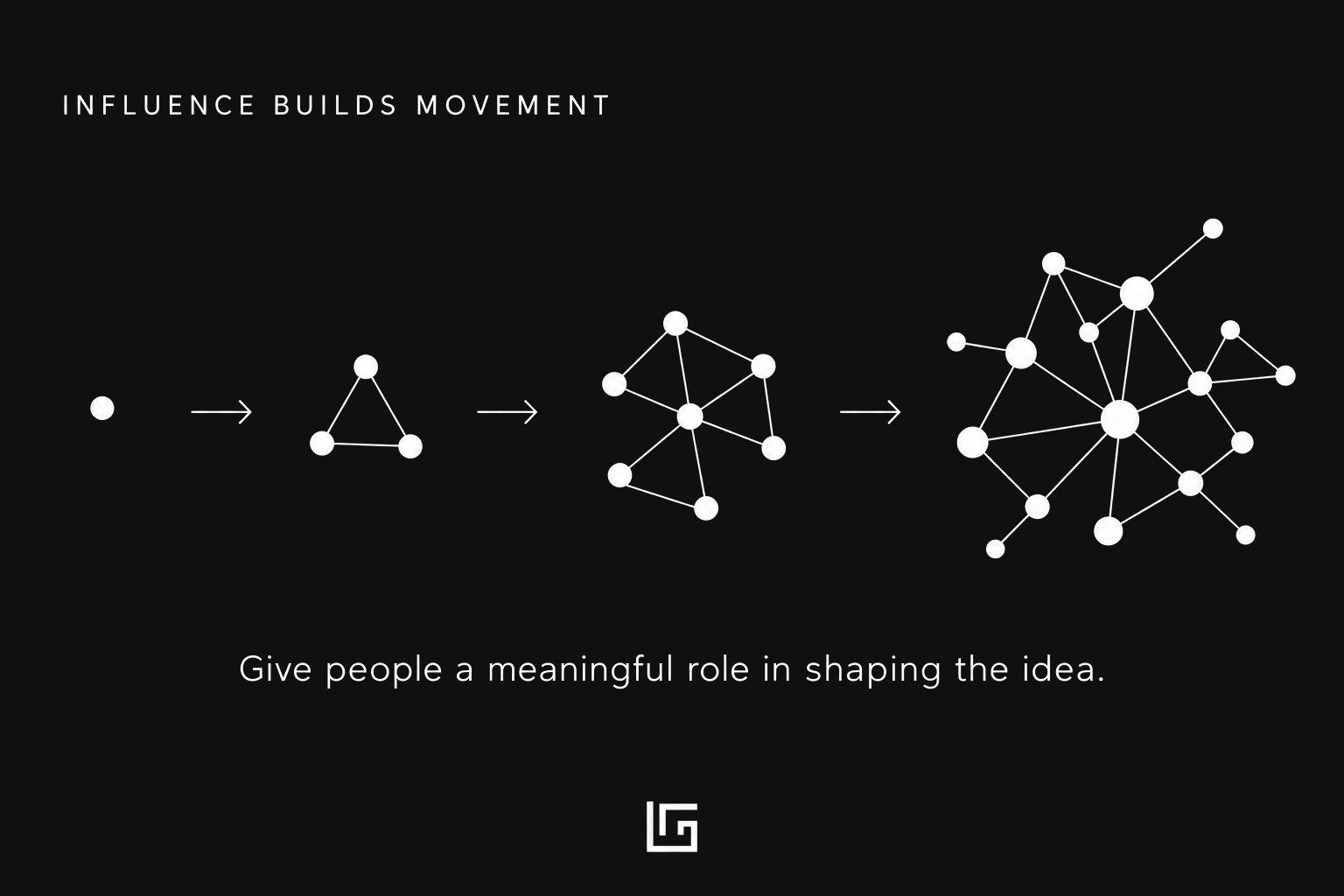
If you want people to help you build something, give them a meaningful role in shaping it.
Join the newsletter
Practical insights on AI, leadership and innovation — every week.