
February 21, 2026
Leaders Bring the Weather
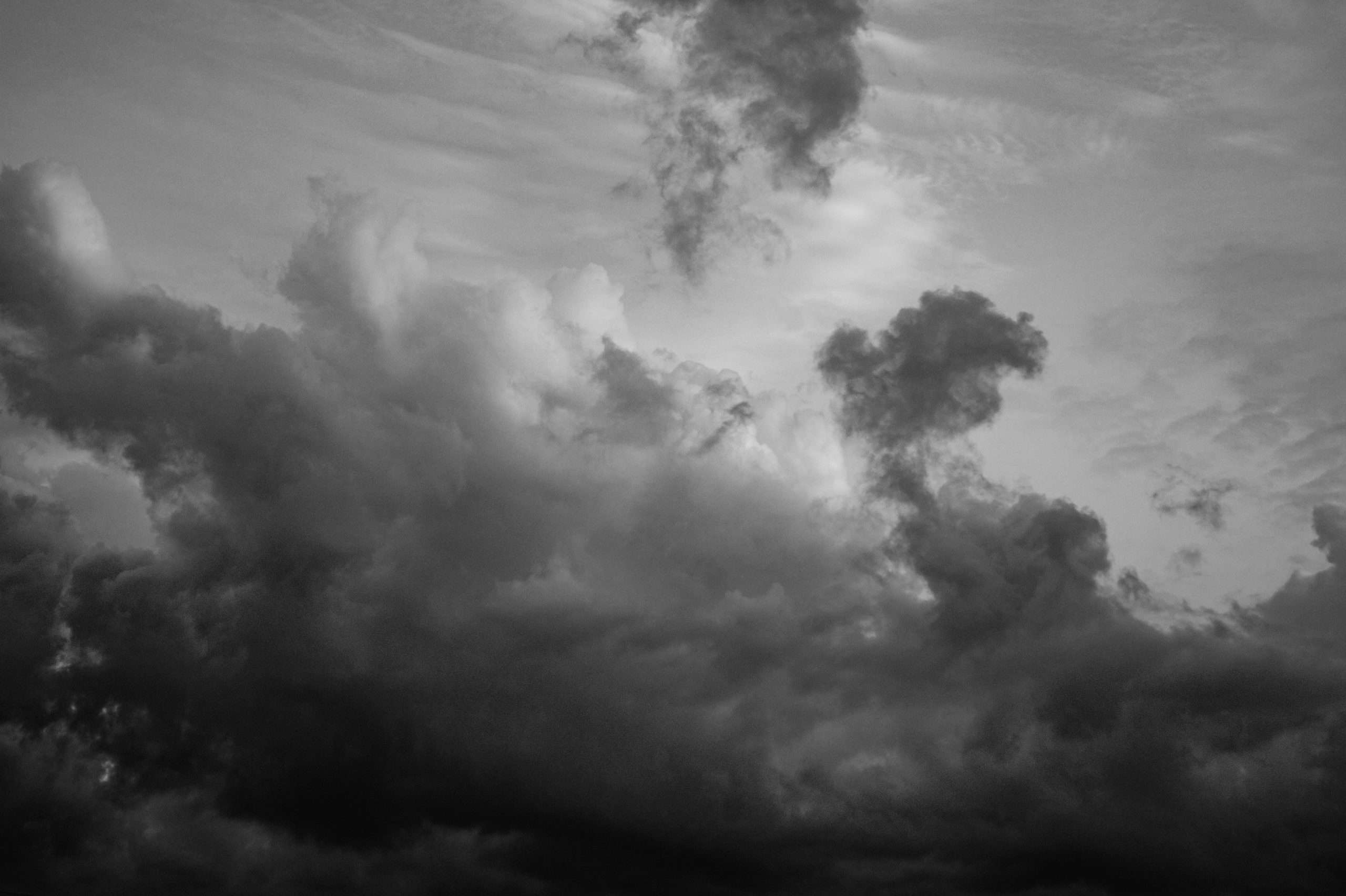
The Energy You Carry Shapes the Climate Around You
A few days ago, I came across a quote from Mel Robbins that went something like this:
She went on to explain that a leader’s energy, mood, and attitude dictate the emotional climate of the team.
If you walk in stressed and frustrated, you bring a storm.
If you walk in calm and clear, you create stability.
Your energy sets the tone, and whether you realize it or not, it spreads.
If you want to watch the original clip, you can check it here.

Over the last few years, this has become one of my most important realizations about leadership.
I’ve come to understand that leadership is not about authority, status, or control.
It is about the energy you bring into the room.
That energy becomes the climate everyone else works in.
Energy Is Contagious — Whether You Mean It or Not
Some years ago, I was working for a client during a large transformation project.
It was a complex transformation with many moving parts.
My client was an incredible woman. She was sharp, intelligent, and highly successful — and I learned a great deal from her.
Yet she also carried a very strong, contagious energy, and on many days she would arrive in a bad mood.
The moment she entered the room, the atmosphere shifted.
People became tense and conversations more cautious, and you could feel the team’s energy slowly drop. By the end of the meetings, we all carried that heaviness home with us.
She probably did not intend it. But her mood shaped the entire system.
That’s when I understood that leaders bring the weather. What we carry inside becomes the climate around us.
I have also experienced the opposite.
There are people I work with today who, the moment I know I’m going to meet them, already make me feel more energized. I know I’ll leave the interaction with more energy than I had before, because they are steady, positive and grounded.
Think about it: leadership is not just about results. It is about the emotional residue you leave behind.
That is why I keep asking myself, after every interaction: did they leave with more energy or less? And am I walking away with more energy or less?
That tells you everything about the weather in the room.
Ki — The Invisible Energy That Fills a Room
In Japanese philosophy, there is a concept called Ki.
Ki is life energy. It flows through people, spaces and interactions. It is the vitality behind movement, meaning, intention, and presence.
As humans, we are carriers of energy. We amplify it, influence it, and shape it.
Leadership, in many ways, is energy management.
It is not just about managing tasks or projects. It is about leveling the emotional field around you.
If you are calm and positive, others expand.
If you are reactive, others contract.
If you are clear, others gain confidence.
You either anchor the system or shake it. There is no invisible presence.
Respect Your Energy: It Is Your Responsibility
For a long time, I got this wrong.
I thought feeling drained or reactive was simply the price you pay for working hard and being driven. I had to learn that lesson the hard way.
Your energy is not accidental.
It is something you must respect.
If you do not take care of it, it will leak. And others will pay for it.
I have also learned this: I am the size of what I allow to irritate me.
If small things steal my peace, I shrink.
If I choose perspective, I expand.
That choice changes the weather.
Energy Hygiene: A Simple Process to Clean Your Energy
Last week, during the holidays, I read Yoshuko: The Japanese Art of Manifesting by Azumi Uchitani.
The book explores how deeply Japanese culture, especially Shinto tradition, is rooted in purification. There is a practice called Misogi, traditionally involving cold water purification to cleanse the body and spirit.
The deeper meaning is not about the water itself, but about clearing what clouds you and returning to clarity before stepping into action.
Before entering a shrine, people also perform Temizu, washing their hands and rinsing their mouth as a symbolic reset. You pause, cleanse and enter consciously.
Leadership requires the same awareness.
Stress accumulates. Irritation accumulates. Ego accumulates.
If you do not release it, you carry it into meetings, conversations, and decisions.
If leaders bring the weather, then purification becomes part of the responsibility.
Some simple rituals to cleanse your energy:
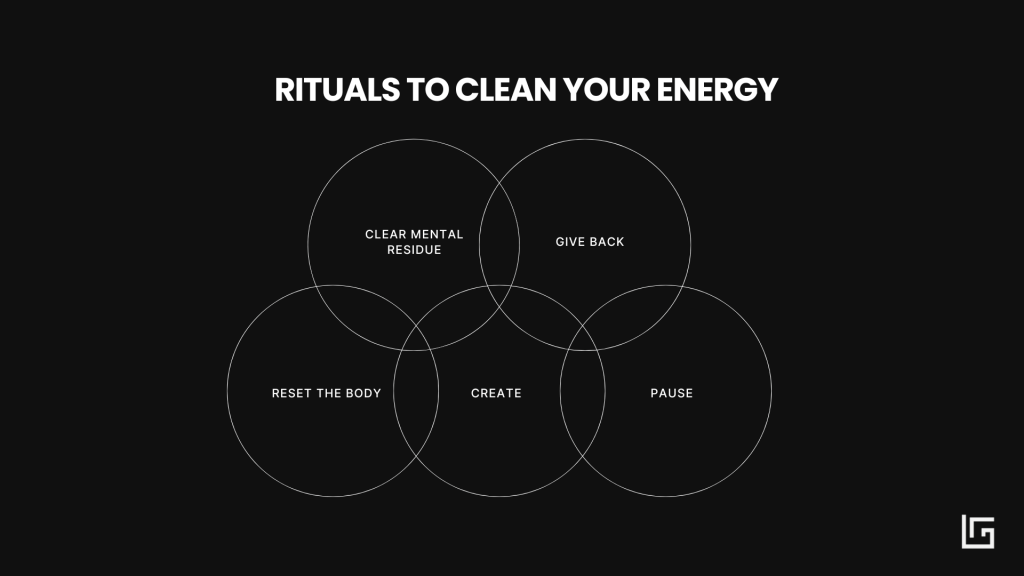
1. Reset the body.
Movement regulates your nervous system. Walk. Train. Stretch. Breathe deeply. A physical reset often creates an emotional reset.
2. Clear mental residue.
Journal. Reflect. Sit in silence. Write down what is bothering you instead of carrying it into the next interaction.
3. Create without agenda.
Build something that is not tied to status or revenue. Creative expression diffuses intensity and balances ambition.
4. Give back to something bigger than you.
Contribute to your community. Share knowledge. Support someone without expecting anything in return. When your energy flows outward, it becomes lighter and cleaner.
5. Pause before you enter.
Before a meeting or a difficult conversation, stop for 30 seconds. Ask: What am I carrying in? What weather do I want to bring?
You cannot control external conditions, but you can choose how clean your internal atmosphere is before you step into the room.
And that choice changes everything.
Leaders Bring the Weather: Choose Your Forecast
So the real question is not about others. It is about you.
When you enter a room, what are you carrying in?
Clarity or confusion?
Stability or tension?
Confidence or ego?
Leadership is not dominance. It is responsibility for atmosphere.
And atmosphere compounds.
Teams mirror leaders.
Organizations mirror the tone that gets repeated.
What you model becomes normal.
Weather becomes climate through repetition.
You cannot control everything. But you can control the state you bring into the room.
That is your power.
And that is your responsibility.
So ask yourself: After someone interacts with you, do they feel stronger or smaller?
If you are called to lead, start there.
Start with your own atmosphere.
The ripple is bigger than you think.
Join the newsletter
Practical insights on AI, leadership and innovation — every week.