
March 1, 2026
AI Skills Engineering

The Next Operating Layer of AI Agents and Modern Work
Today I want to talk about AI skills engineering I’ve been exploring over the past weeks.
And I believe it’s going to fundamentally change how we work.
For the past two years, most of us have interacted with AI in the same way.
We open a chat.
We write a prompt.
It responds.
And to improve results, the focus was prompt engineering.
Write better prompts.
Add context.
Be more specific.
And yes, that helped individuals.
But prompts are fragile.
They are not standardized.
They are not shared consistently across teams.
If ten employees write ten prompts for the same task, you get ten variations.
Skills engineering changes the model.
Instead of prompting every time, you encode the process once.
Then everyone works from the same foundation.
It is the difference between explaining a recipe every evening and creating a cookbook your entire kitchen uses.
AI skills engineering and agents are the next operating layer of work.
What Are AI Skills?
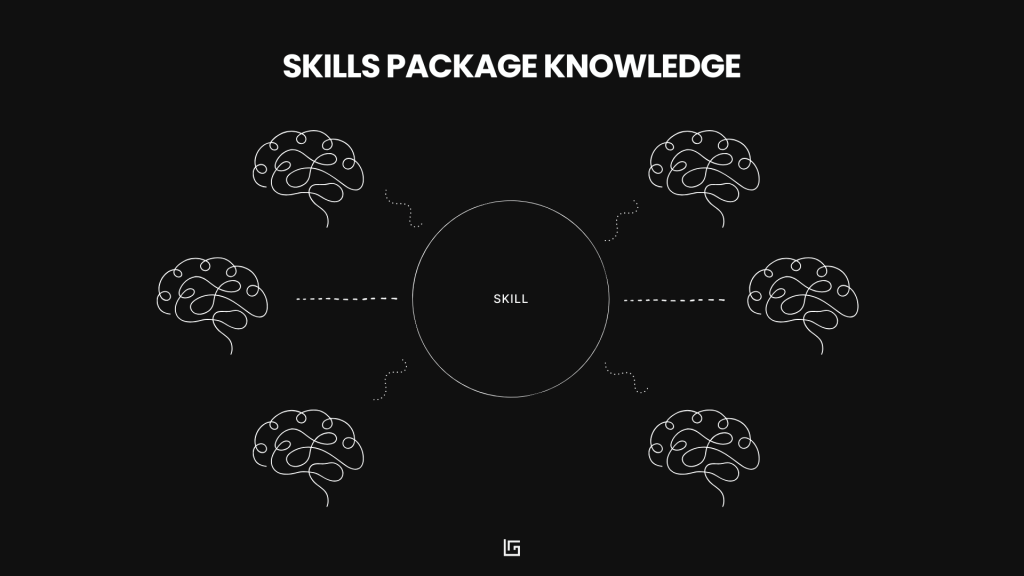
An AI skill is a structured package of knowledge.
Inside a skill you can define:
– How a task should be executed
– What standards must be followed
– Which templates to use
– What quality criteria apply
Instead of explaining the process every time, you encode it once.
From that moment on, the AI can load and apply that expertise automatically.
Think of skills as a program to package knowledge. They are instructions for an AI Agent on how to execute a specific process.
Why AI Skills Engineering Is A Big Deal
In most organizations, knowledge lives in people.
Your best technical sales expert knows how to structure a client proposal that wins trust and aligns with the customer’s real problem.
Your product manager knows how to translate market needs into a clear roadmap with priorities that actually make sense.
Your engineering lead knows how to adapt the design to fit customer needs while keeping technical standards high.
But that knowledge is rarely encoded.
When people leave, knowledge often drops.
When teams grow, inconsistency appears.
When AI enters the workflow, everyone prompts differently.
That creates fragmentation.
AI Skills solve that.
They allow companies to package operational knowledge into structured, reusable systems.
Not documents that sit in folders.
Not guidelines nobody reads.
Living instructions that AI executes consistently.
This is where AI becomes arms and legs.
How AI Skills Engineering Works In Practice
Under the hood, a skill is stored as a structured file that defines when it should activate and what it should do.
When you make a request, the AI scans available skills.
If one matches, it loads the instructions automatically.
It applies formatting rules.
It follows defined steps.
It pulls templates when needed.
All without you repeating yourself.
The result feels smarter.
But what actually happened is more important.
The system followed structure.
And structure creates consistency.
AI Skills and Plugins Architecture
Let me break down how skills and plugins relate, because people mix these up.
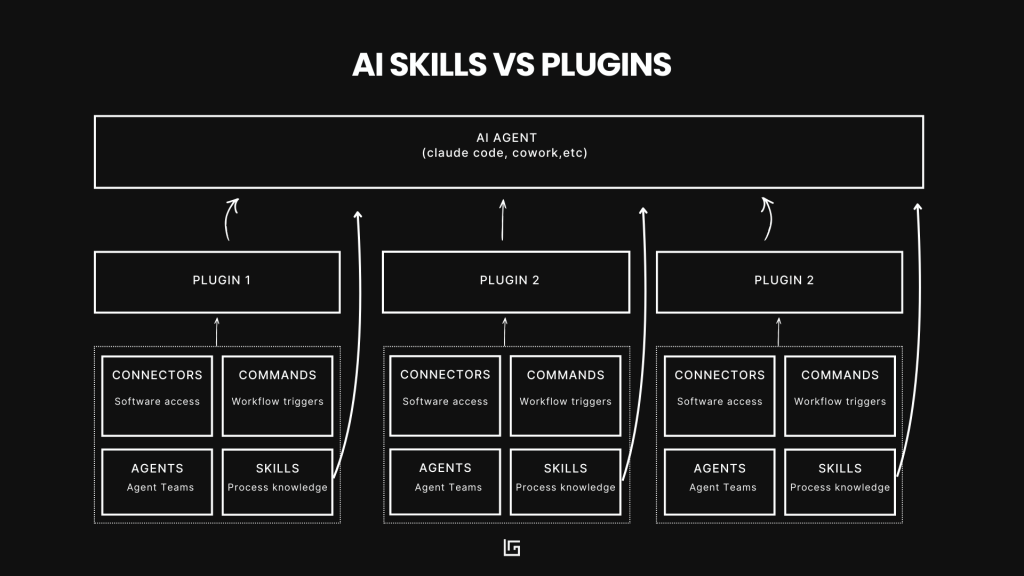
Skills are folders of expertise.
A SKILL.md file plus reference materials.
That’s it. Skills package knowledge.
Plugins are bigger. They bundle skills together with MCP servers, connectors, and tools into one installable package. Think of a plugin as a capability kit. One plugin might contain a skill for writing compliance reports, an MCP server that talks to your company database, and a formatting tool for your internal templates. You install it once and everything works.
The short version: skills are workflows and knowledge.
Plugins are abilities.
One’s a folder, one’s a bundle.
And the fact that it’s this simple is exactly why it is game changing.
AI Skills Engineering: The Anatomy of AI Skills
If AI agents are the next operating layer of work, then skills are the architecture behind them.
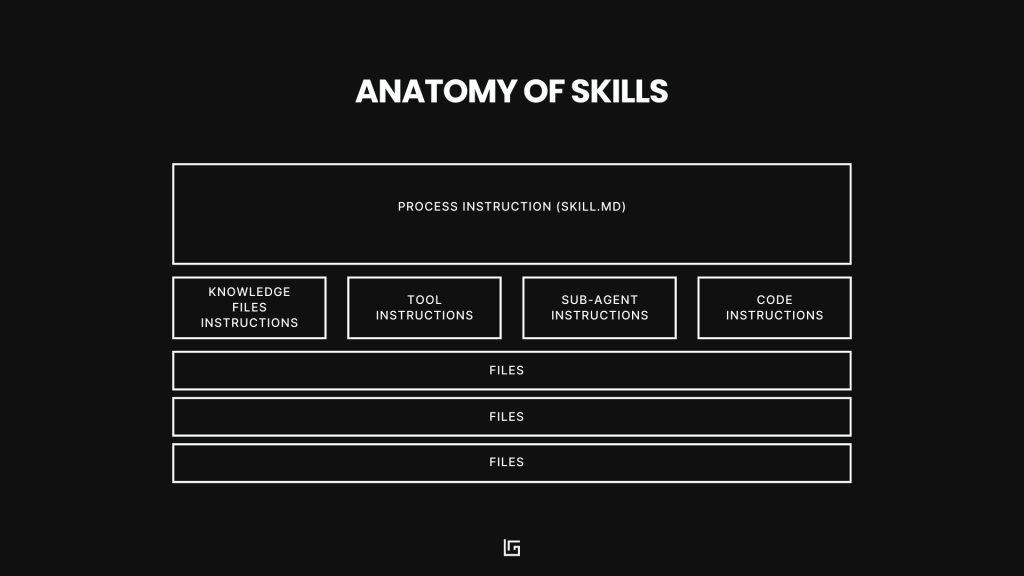
A skill is not one long prompt.
It’s a modular package of structured expertise.
Instead of dumping everything into a single instruction, the capability is broken into layers that work together.
That’s what makes it reliable.
1. The Heart: The Process (SKILL.md)
At the center of every skill is a file often called SKILL.md.
This is the brain.
What it does:
It defines the logic. The workflow. The outcome the agent must achieve.
Why it matters:
It uses progressive loading. The agent does not try to know everything at once. It follows the map step by step, loading only what it needs.
This keeps its working memory clean.
2. The Nervous System: Specialized Instructions
Around the core process sit instruction layers that define how the agent interacts with the world.
- Knowledge instructions – how to interpret and query internal data.
- Tool instructions – rules for using external systems safely.
- Sub-agent instructions – how to delegate parts of the task to smaller, specialized agents.
- Code instructions – standards for writing or executing code correctly.
This is where control happens.
Without these layers, an agent improvises.
With them, it operates.
3. The Library: Files and Assets
At the foundation sits the resource layer.
This includes:
- Reference documentation
- API schemas
- Company knowledge bases
- Templates
- Scripts
Scripts are especially important.
If something must be 100% accurate — calculations, data transformation — the agent runs deterministic code instead of guessing.
This modular design creates reliability.
The skill becomes a self-contained unit that can be shared, versioned, and deployed.
More importantly, it prevents overload.
Public, Company, And Personal Skills
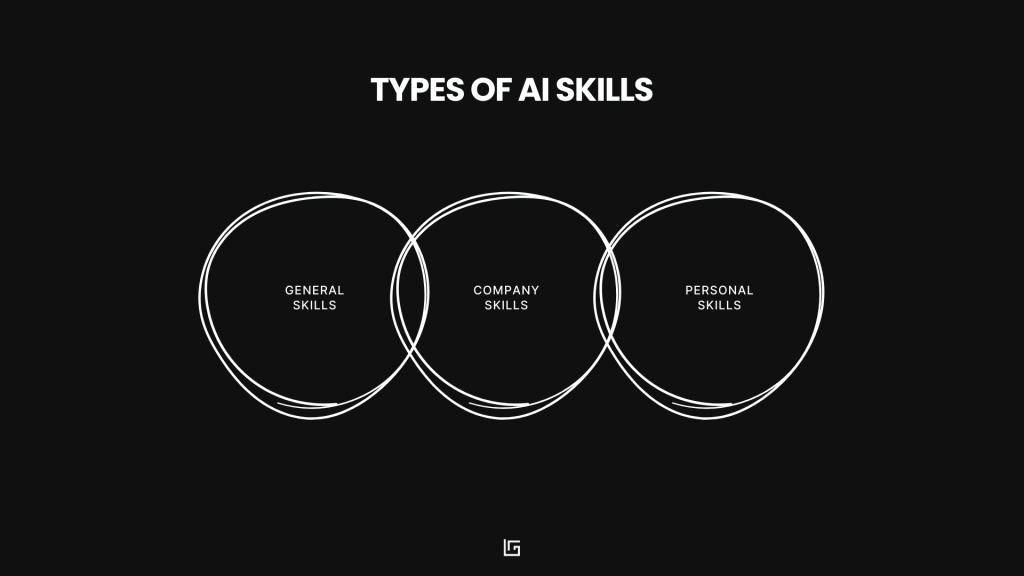
Public skills handle common tasks like generating presentations, spreadsheets, or structured documents.
Company skills are where the strategic value lies.
Your compliance workflow.
Your onboarding structure.
Your proposal format.
Your product design guidelines
Your internal QA checklist.
Encoded and deployed across teams.
And then there are personal skills.
Your writing style.
Your research logic.
Your workshop design method.
These make individuals sharper and more consistent.
When all three layers combine, you get leverage.
Building Your AI Company Brain with Plugins and Skills
Most companies today use AI at an individual level.
People write emails faster.
Summarize documents.
Brainstorm ideas.
Useful.
But scattered.
Everyone prompts their own way.
There’s no consistency.
Nothing builds on anything.
Now picture a company that encodes its entire operating model into skills and plugins. The way you write proposals, that’s a skill.
Onboarding new hires,skill.
Your compliance process, your client communication standards, your QA checklist, all skills.
All of them version-controlled, all of them deployed to every team member at once.
The companies that get this right first will build something I keep calling an organizational brain.
A living, breathing library of how their company thinks and operates, running inside every AI agent their team uses.
The kind of institutional knowledge that, until now, just walked out the door every time someone quit.
When someone joins your company, they do not just receive documentation.
They receive operational intelligence embedded in their AI tools.
That is institutional memory made executable.
For years we tried to solve knowledge management with folders and documents.
Most of it sat unused.
Skills change that.
Because they operate inside execution.
What AI Skills Engineering Means for a Company’s Agentic Operating Model
Every company has this same structure — key processes that break into subprocesses, that break into activities. What changes with agentic AI is what happens next.
Processes become capabilities. A cross-functional activity like supplier risk assessment gets extracted from the process hierarchy and packaged as a skill — a self-contained, autonomous unit that can observe, decide, and act. Use cases become workflows that get productized with those skills, bundled into plugins that connect directly to live systems and execute end-to-end without waiting for someone to check a dashboard.
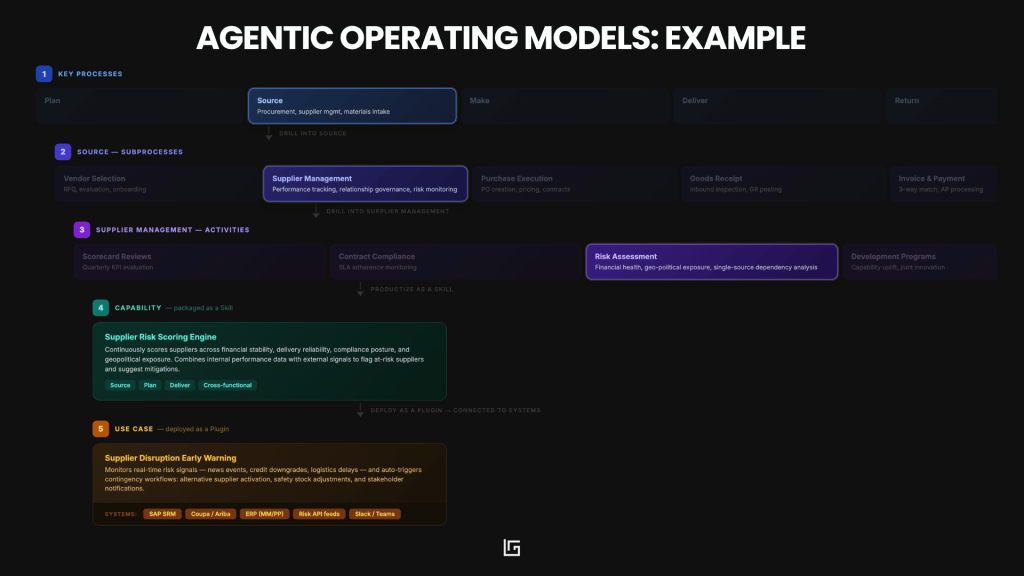
The operating model stops being an internal org chart and starts being a product catalog. The companies that see that first win twice — once on efficiency, and again on revenue.
AI Skills Engineering – Why I’m Paying Attention
I’ve spent the last 15 years working in organizational transformations.
Designing processes.
Structuring knowledge.
Helping companies navigate change.
I’ve seen what happens when expertise lives only in people’s heads.
I’ve seen how hard it is to standardize quality across teams.
How fragile knowledge becomes when someone leaves.
How inconsistent execution slows transformation down.
And what I see in AI skills and plugins is not just another feature.
It’s a new operating layer.
A new way for organizations to capture, structure, and execute what they know.
AI is moving from being a smart assistant to becoming a carrier of organizational knowledge.
The companies that understand this early will build an internal advantage that compounds over time.
Intelligence matters.
But structured intelligence scales.
And that is why I believe that this paradigm will radically change how we work.
Related reading: Why Forward Deployed Engineers Are the Future of Enterprise Tech · How to Work With External Consultants: The Client-Consultant Relationship That Works
Join the newsletter
Practical insights on AI, leadership and innovation — every week.