
October 15, 2024
The Future of Work with AI: Why Human Connection Matters More Than Ever

Have you ever felt a little too connected?
With technology advancing faster than ever — AI and automation streamlining everything from our tasks to our emails — it can sometimes feel impossible to keep up.
We’re constantly bombarded by messages and notifications, blurring the lines between work and life. For many of us, it lately feels like the world is spinning a little too fast.
So let’s slow down for a moment and look at what’s really happening. Because the future of work with AI is not a science-fiction scenario anymore. It’s Monday morning.
The future of work with AI is already here
Artificial intelligence and automation are driving a transformation as significant as the mechanisation of agriculture and manufacturing in previous generations.
Some jobs will evolve, new ones will appear, and yes, some will disappear. But what’s more certain than ever is that almost every job will change.
The difference this time is speed. Previous waves of technology took decades to reach every office. AI tools reached hundreds of millions of people in a couple of years — and AI agents are now moving from answering questions to doing real work.
What AI changes — and what it doesn’t
AI is very good at tasks. It drafts, summarises, translates, analyses, codes and organises at a speed no human can match.
What it doesn’t do is care. It doesn’t build trust over a long dinner, feel the energy in a room, or decide what is worth doing in the first place.
That’s why I find it more useful to think in tasks, not jobs. Look at your own week:
- Tasks AI will take over: first drafts, reports, research, scheduling, data cleanup, routine answers.
- Tasks AI will support: analysis, planning, presentations, learning new topics, preparing decisions.
- Tasks that stay deeply human: judgement, relationships, leadership, creativity with meaning, taking responsibility.
The more of your week sits in the third group, the more valuable you become. I wrote more about this in Jobs AI Can’t Replace and AI and Jobs: Finding Value in the Age of AI.
How AI will change the future of work: five shifts I see
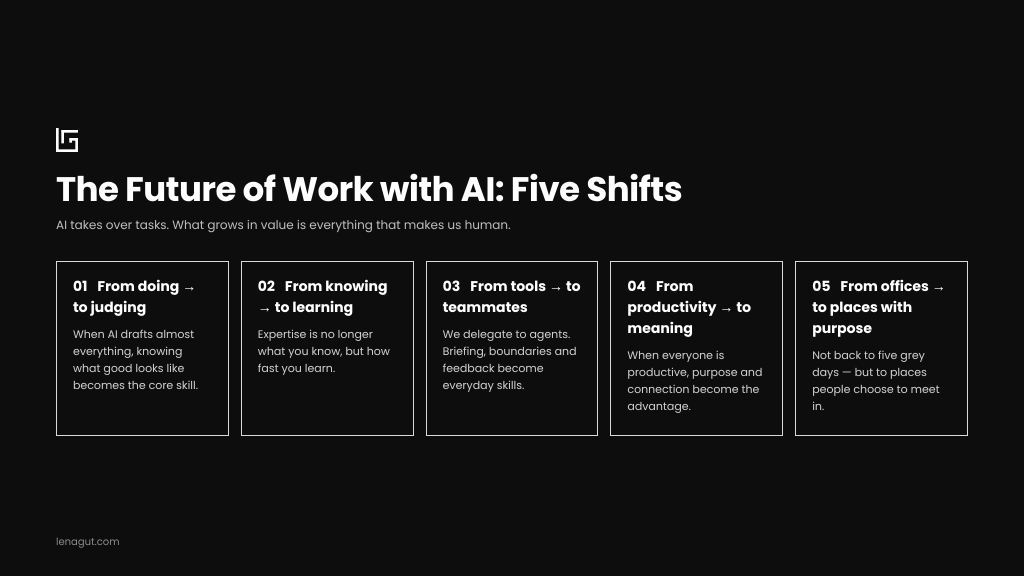
1. From doing to judging
When AI produces the first version of almost everything, the scarce skill becomes knowing what good looks like. Reviewing, editing and deciding become the core of many roles.
2. From knowing to learning
Expertise used to be about what you knew. Now it’s about how fast you learn. The half-life of skills is shrinking, and learning AI is only the beginning.
3. From tools to teammates
We’re moving from software we operate to agents we delegate to. Briefing well, setting boundaries and giving feedback — classic leadership skills — become everyday skills for everyone.
4. From productivity to meaning
If AI makes everyone more productive, productivity stops being a differentiator. Meaning, purpose and human connection become the advantage — something I explore in The Rise of the Relational Economy.
5. From the office to places with purpose
We won’t go back to five days in a grey office. But we also learned that fully digital work has limits. The future belongs to places people choose to meet in.
Why technology can’t replace what makes us human
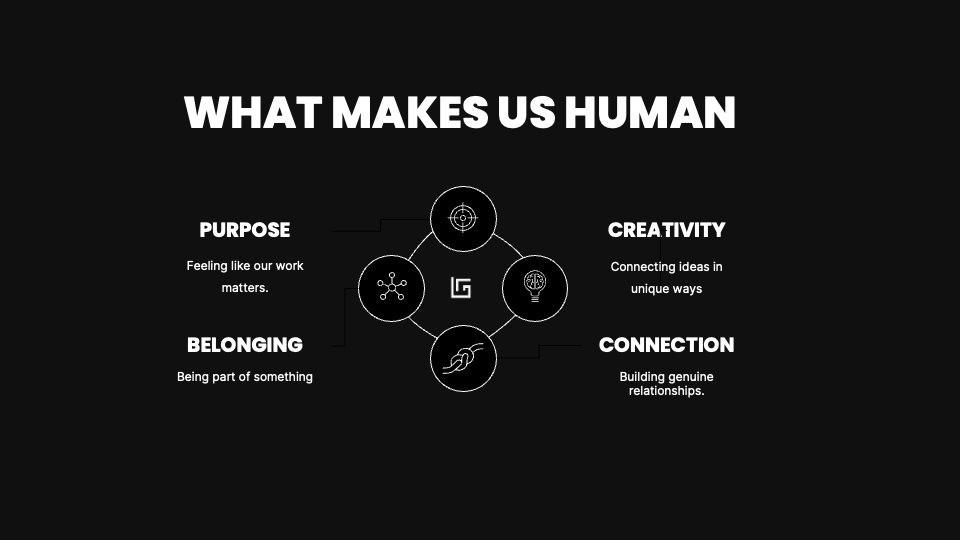
But here’s the thing: while technology can do a lot, it can’t replace our deeper human needs — things like purpose, belonging, and real connection.
These are the things that make work meaningful and keep us engaged and fulfilled — and no amount of software or AI can replicate that.
My journey at Share PLM
When we first launched Share PLM, our dream was to build a fully remote, digital company that gave us the freedom to work from anywhere.
The idea was simple: we could pursue our entrepreneurial goals while balancing our personal lives, especially family time.
And for a while, it worked!
We had the flexibility to work on our own terms, using the latest digital tools to stay connected and collaborate across different locations.
But as we grew, something unexpected happened.
We realised that creating a completely digital workplace was more complicated than we initially thought.
One of our biggest challenges was creating a true sense of connection and belonging among a team that was scattered across different time zones and locations.
Video calls and digital collaboration platforms were helpful, but they couldn’t quite replicate the energy and trust that naturally comes from working face-to-face.
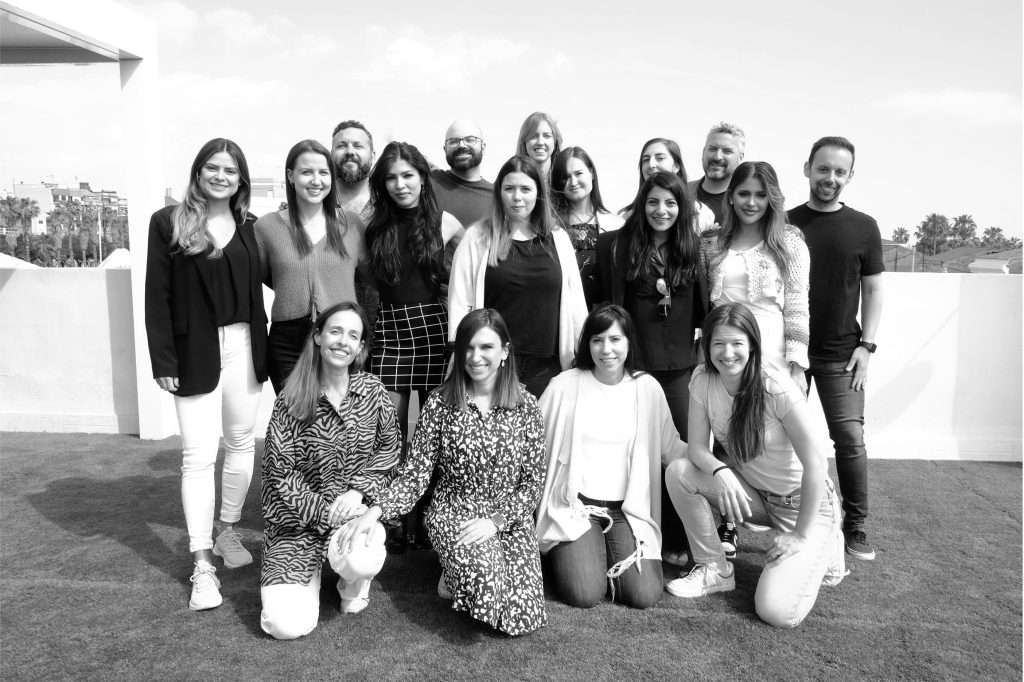
From my experience, the in-person moments during team retreats or brainstorming sessions brought something irreplaceable to the table. You build relationships, align your vision and create the kind of engagement that really drives a team forward when you are in the same room.
That lesson is a big part of why we created The Nest in southern Spain: a place where teams can step away from their screens, think together and build something real — like the AI hackathon we ran there.
How to prepare for the future of work
If you’re an individual
- Use AI every day. Not to replace your thinking, but to free time for it. Start small with my free 10-Day AI Crash Course.
- Invest in human skills. Communication, facilitation, empathy and judgement compound in value as AI spreads.
- Protect your attention. Being always on is not the same as being effective. I learned that when I ditched my smartphone.
If you lead a team
- Redesign work, not just tools. Ask which tasks should be human, AI-assisted or automated. My AI adoption framework helps structure it.
- Talk openly about roles. Silence creates fear. Fear creates resistance.
- Create moments of real connection. The more digital the work, the more intentional the gatherings need to be.
Reimagining the workplace: finding balance
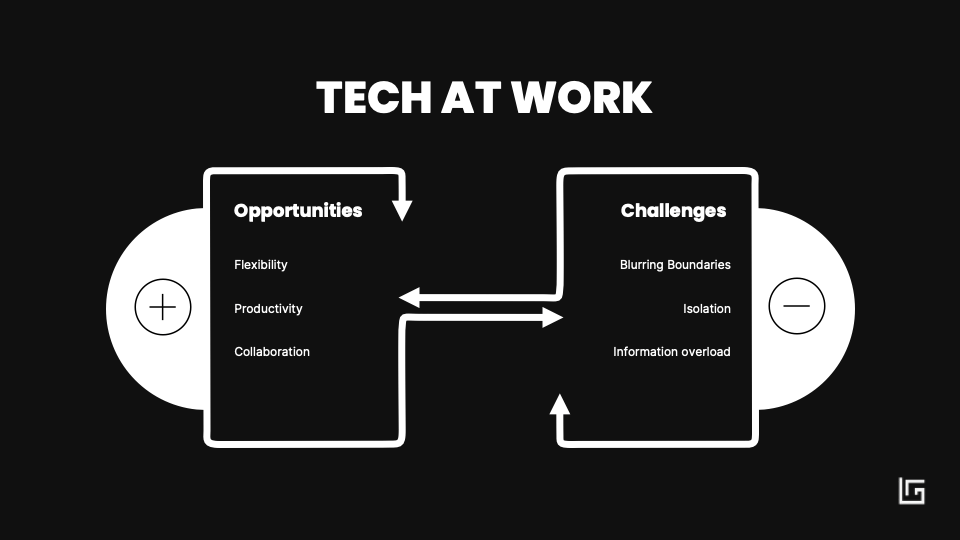
So, how do we embrace this technological shift without losing what makes work meaningful?
The answer lies in balance.
For me, the key challenge is finding a balance between using technology’s power and nurturing human connections. Businesses that invest in well-being, purpose-driven work and opportunities for personal growth will attract the people everyone else is competing for.
The future of work: frequently asked questions
How will AI change the future of work?
AI will automate many routine tasks, support most knowledge work and change almost every role. The biggest shift is from doing tasks to directing, reviewing and deciding — with human skills becoming more valuable, not less.
Will AI replace my job?
For most people, AI will replace parts of the job rather than the whole job. The safest path is to learn to work with AI early and grow the parts of your role that depend on judgement and relationships. See What Jobs Are Safe from AI.
What skills matter most for the future of work?
AI literacy, critical thinking, communication, adaptability and the ability to learn fast. And, more than ever, the ability to bring people together.
The future is about connection, not just tech
As we look ahead, technology will continue to transform the workplace.
In my opinion, the future isn’t about choosing between tech and people; it’s about blending the two to create a more fulfilling, creative and meaningful way of working.
So, as we embrace the future, let’s not lose sight of what makes us human.
Because it’s our relationships, creativity and shared sense of purpose that will truly drive success.
Want to keep exploring these questions with me? Join my newsletter — I share what I’m learning about AI, leadership and the future of work.
Join the newsletter
Practical insights on AI, leadership and innovation — every week.