
November 18, 2026
The 5 Stages of Team Development Every Leader Should Know
Why do some teams work incredibly well together while others struggle to make even simple decisions?
And why does a leadership approach that worked perfectly at the beginning of a project suddenly stop working a few months later?
There is a simple model that helps explain this.
It’s called Tuckman’s Model of Team Development.
The idea is simple: teams need time to learn how to work together. They build relationships, disagree, find common ground, and eventually develop trust.
And here is the interesting part.
As a team changes, the way we lead it needs to change too.
What is team development in management?
Team development is the process through which a group of people learns to work together towards a common goal.
It sounds simple. But anyone who has led a team knows how complicated it can get.
In 1965, psychologist Bruce Tuckman introduced a model describing four stages of group development. In 1977, he and Mary Ann Jensen added a fifth stage.
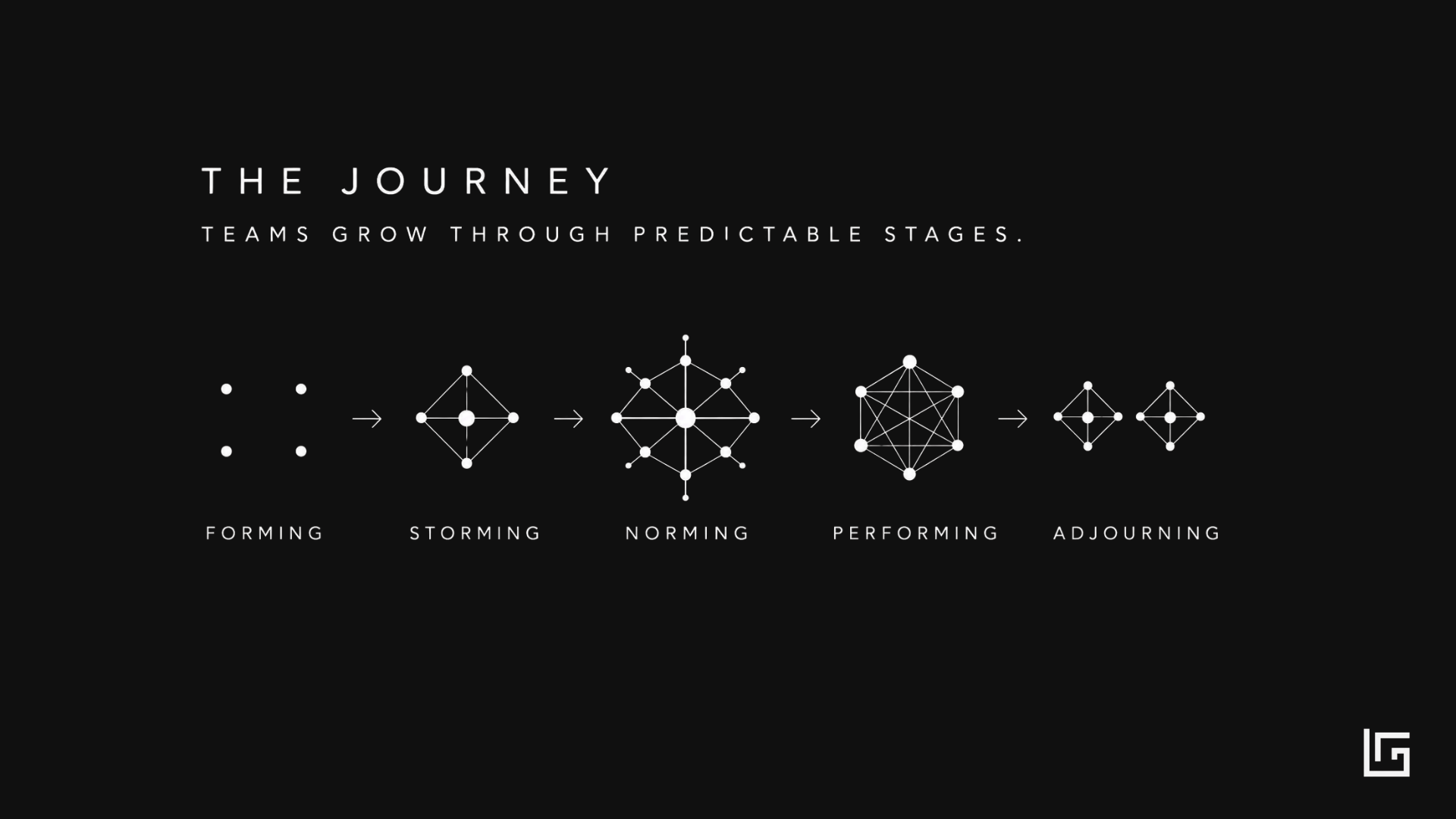
Today, the five stages of team development are:
- Forming: People come together and look for direction.
- Storming: Different opinions, expectations, and conflicts emerge.
- Norming: The team builds trust and agrees on ways of working.
- Performing: People work well together and deliver results.
- Adjourning: The project ends, and the team moves on.
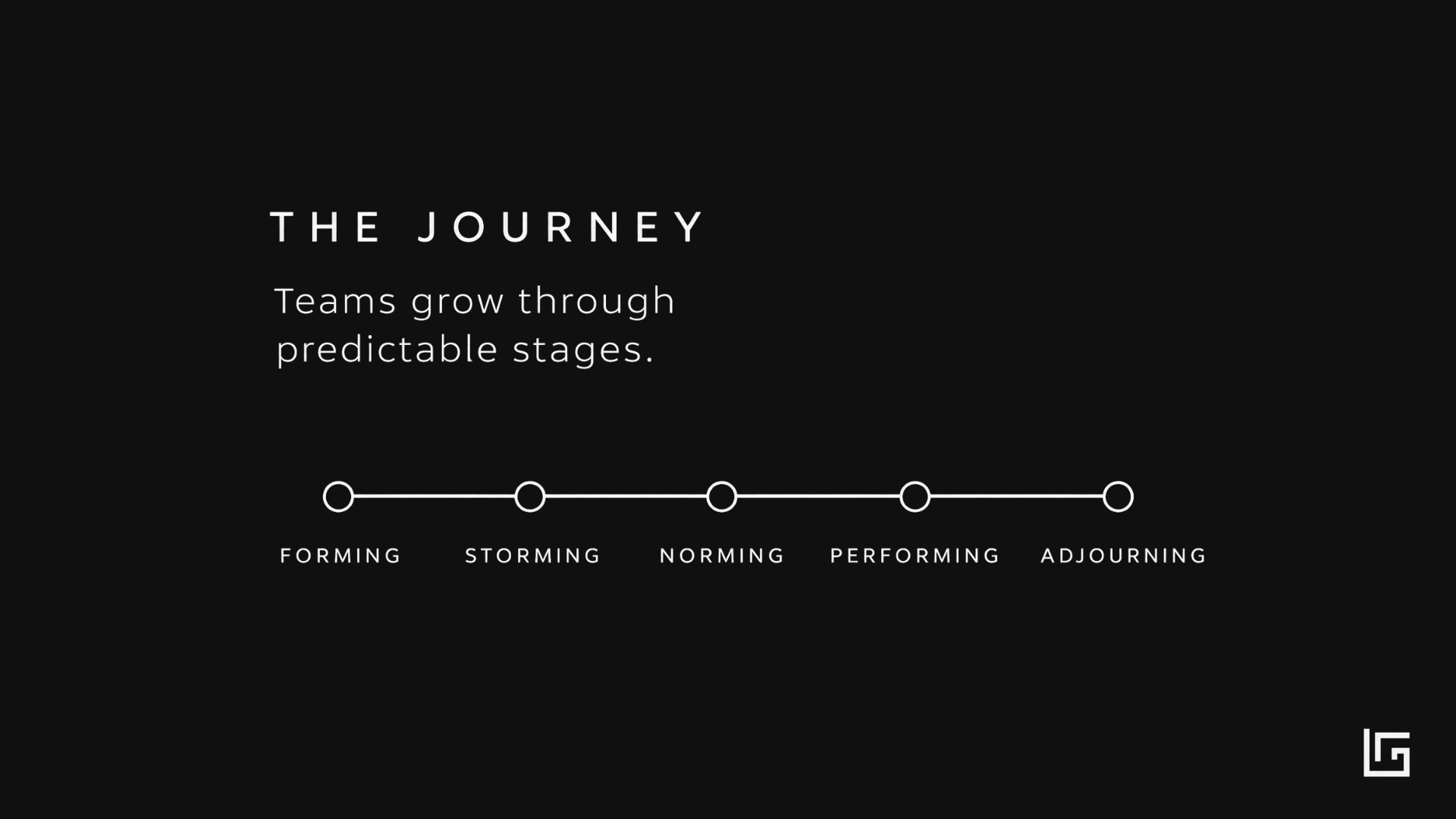
One thing I find particularly interesting is that these stages are not always linear.
A new manager, a change in priorities, or a difficult decision can take a team that was working well back into uncertainty.
And not every team will experience every stage in the same way.
Before deciding how to lead a team, we need to understand where it is.
Why I came back to Tuckman’s Model last week
Last week, I had a conversation with a customer I really enjoy working with.
They shared some feedback, which I always appreciate. But some of the requests seemed difficult to achieve given where we were in the project.
My first reaction was to think about whether those requests were realistic.
But over the weekend, I found myself thinking about the conversation again.
And I started asking a different question.
What is really behind those requests?
Are they asking for more speed, or do they need more confidence that things are moving in the right direction?
Do they want more meetings, or do they feel they don’t have enough information?
Are we talking about what needs to be delivered, or how we are working together?
It made me think about where we are as a team, how our relationship has changed over time, and whether we need to change the way we work together.
That brought me back to Tuckman’s Model.
Because sometimes feedback is not just about what someone is asking for.
It can tell us something about what the team needs.
The stages of project team development and how to lead each one
Over the past decade, I have worked with teams from different countries, departments, and organizations.
One thing I have learned is that the same approach doesn’t work everywhere.
A team that has just started working together needs something very different from a team that has been working together for months.
Here is how I see the five stages of team development and what we can do as leaders to help.
1. Forming: Create clarity and direction
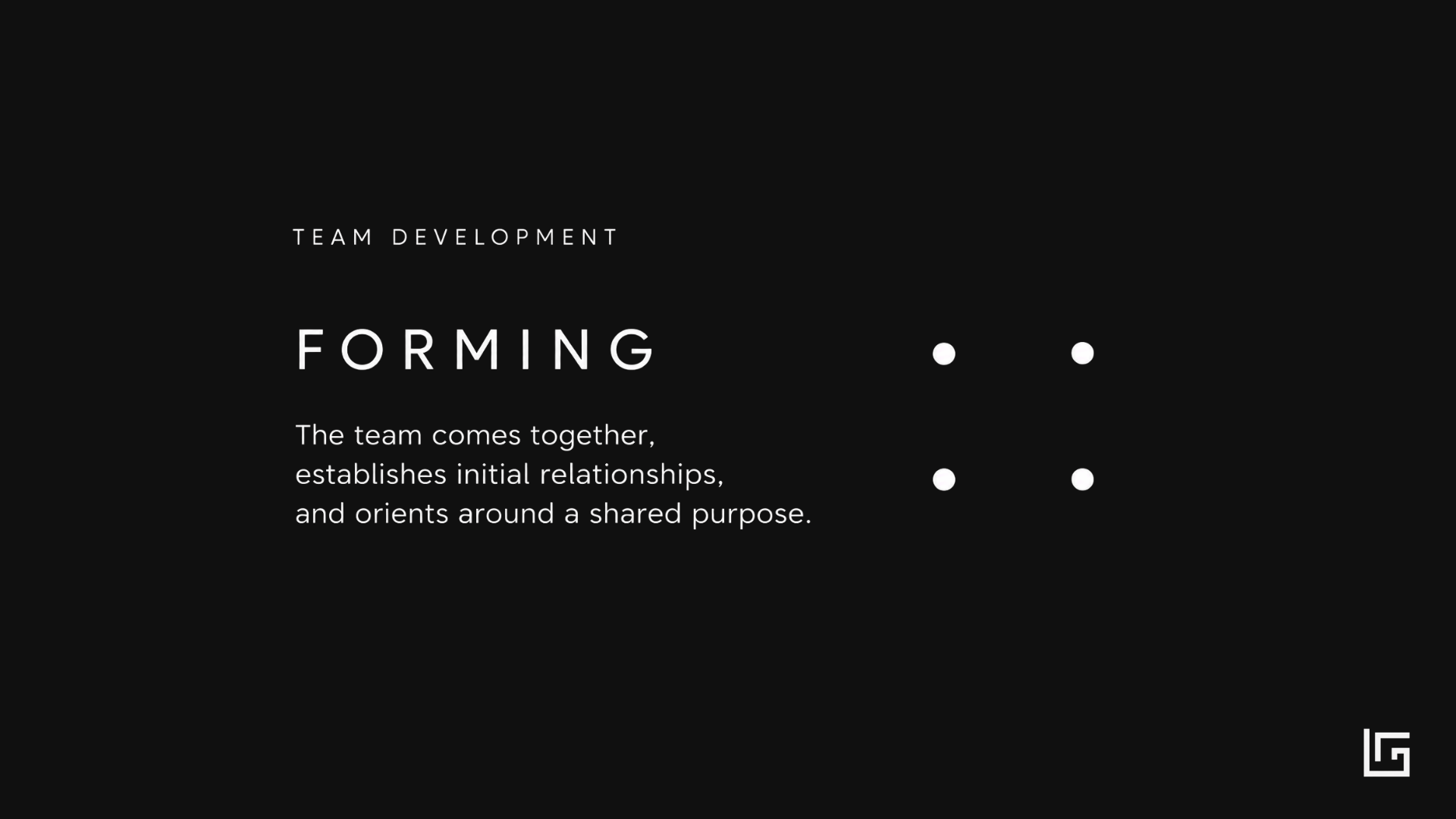
At the beginning, everyone is trying to understand what is happening.
Who is doing what? What are we trying to achieve? What is expected of me?
I see this often when kicking off technology transformation projects, where people from engineering, IT, operations, and management come together.
Everyone might agree that change is needed, but that doesn’t mean everyone agrees on what the change should look like.
And that is where problems can start.
What to do as a leader: Explain why the team exists, what you want to achieve, and what is expected from everyone. Bring people together and make sure they understand the bigger picture.
One question to ask: Why are we doing this, and what are we trying to achieve together?
2. Storming: Understand the friction
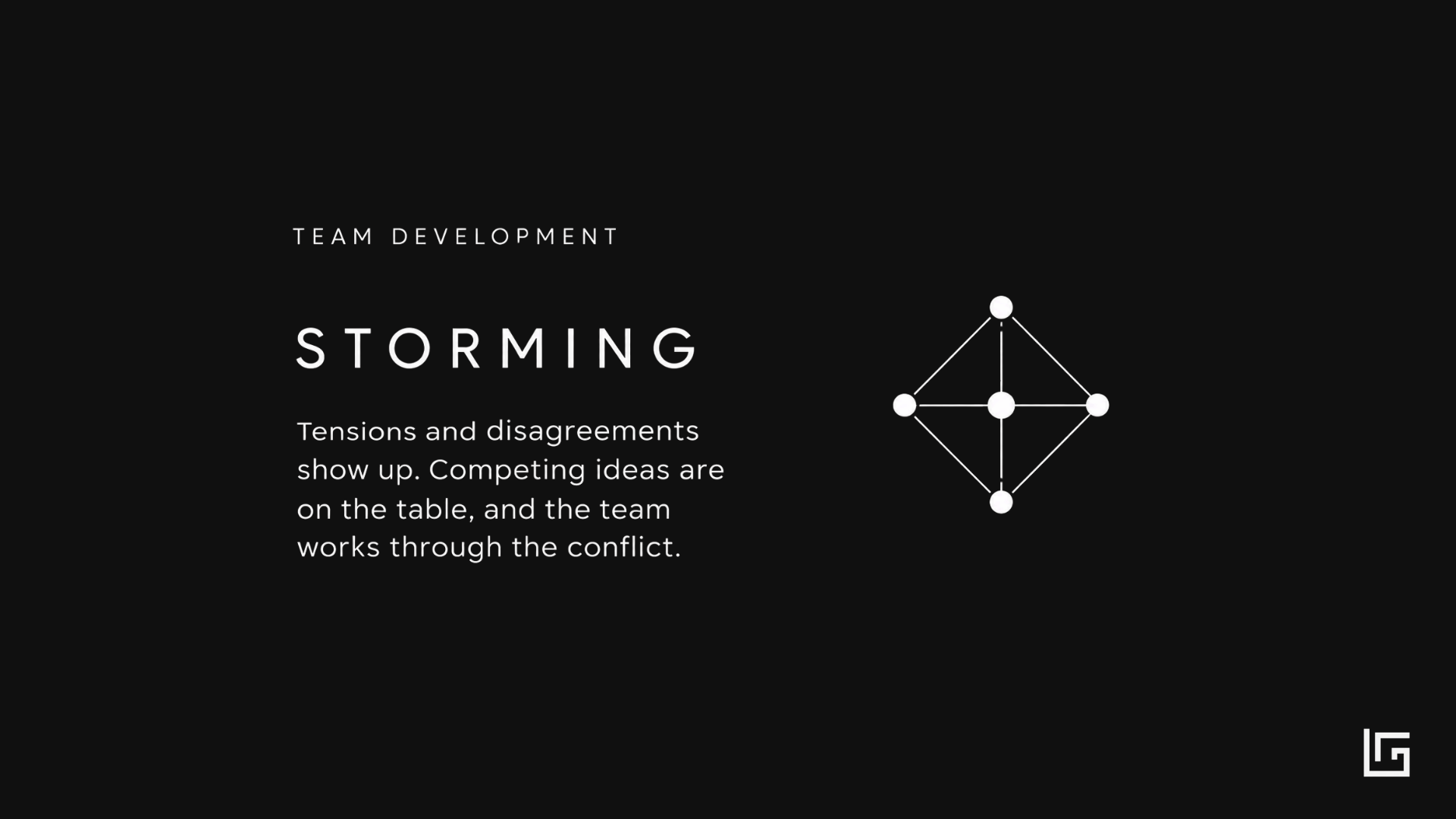
Once people get more comfortable, things start getting interesting.
People speak up. They challenge decisions. Different opinions and expectations come to the surface.
Some want to move faster. Others think we are moving too quickly. Some people want to take the lead, while others question who should be making the decisions.
And sometimes things get uncomfortable.
But I don’t think this is necessarily bad.
Disagreement can be a sign that people care enough to speak up.
And I think this is where we are with this customer right now.
Some people don’t see a clear path forward and start questioning the direction. Others seem nervous about their leadership, their responsibilities, or how much control they have over the decisions being made.
Different people react to the same uncertainty in different ways.
And when this happens, it is easy to focus on the complaints or the requests themselves.
But I think the important thing is to understand what is behind them.
Maybe people need more clarity. Maybe they want to feel more involved. Or maybe they are worried about losing control.
I don’t have all the answers yet.
But recognizing that we might be in the Storming phase changes how I look at the situation.
Instead of asking how to stop the friction, I am asking what the friction is trying to tell us.
What to do as a leader: Listen. Ask questions. Give people space to disagree, but help them find a way forward. Make the direction and responsibilities clearer, and don’t rush to defend your decisions before understanding the concern.
One question to ask: What is really behind this concern?
3. Norming: Build ways of working together
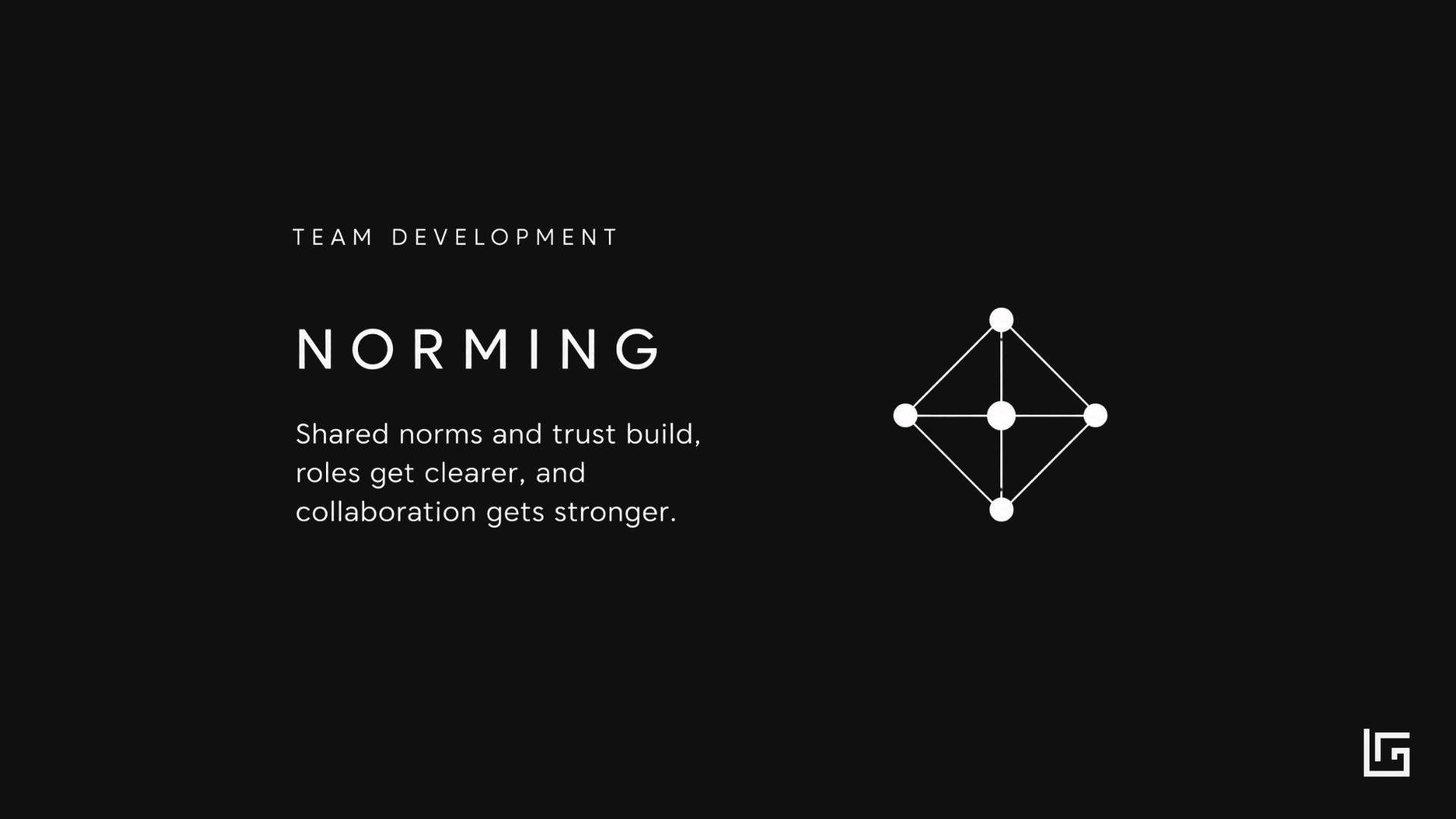
At some point, things start to click.
People understand each other better. They know who does what. They find ways to make decisions and solve problems together.
I have seen this happen in workshops.
After hours of discussions, sometimes quite difficult ones, people suddenly start connecting ideas and building on what others say.
You can feel the difference.
The team is starting to work as a team.
What to do as a leader: Help people agree on simple ways of working. Make responsibilities clear, encourage people to take ownership, and build on what is already working.
One question to ask: What do we need to agree on to work better together?
4. Performing: Step back and let people work
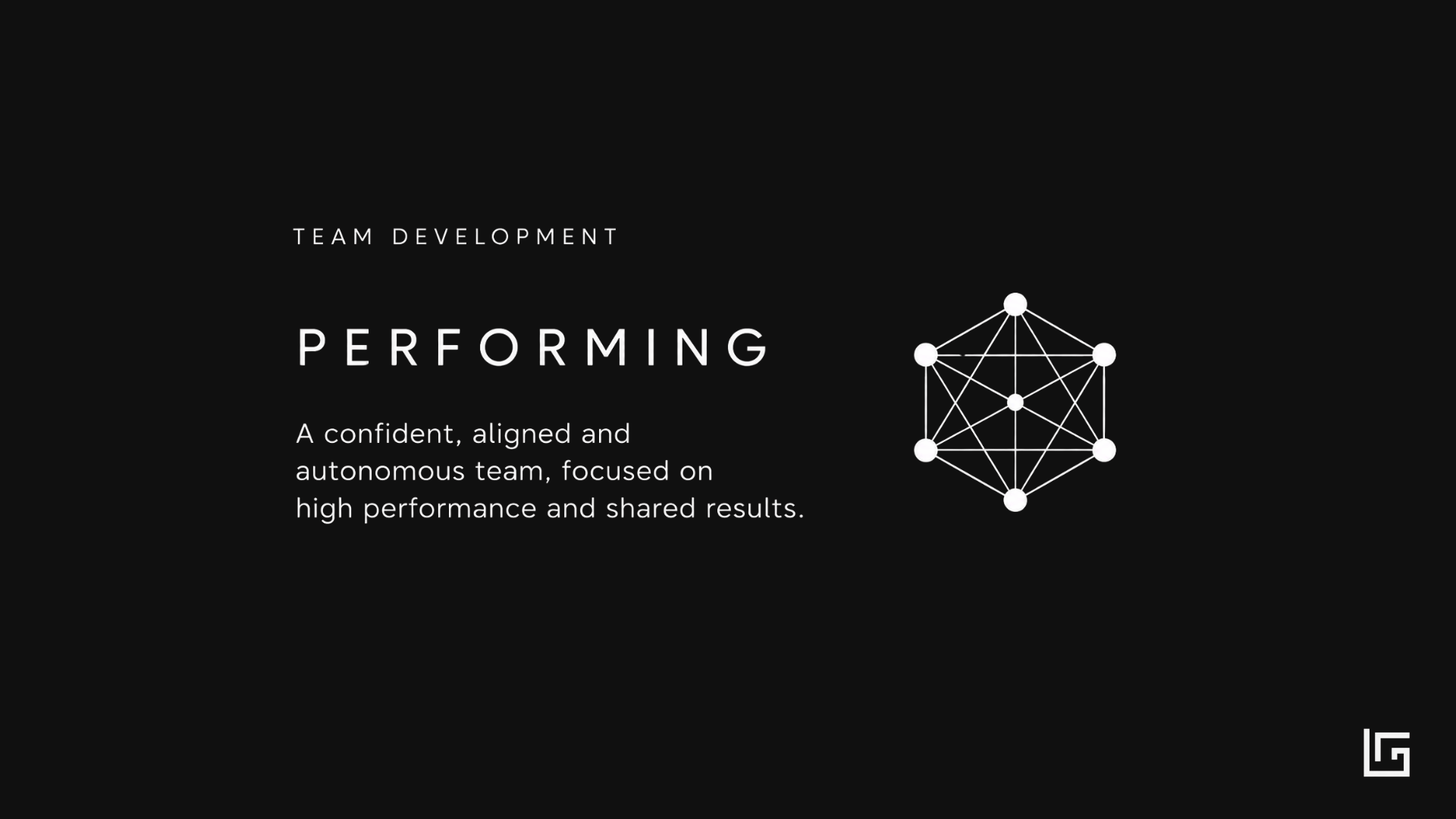
This is where things really start moving.
People know what they are doing. They trust each other. They don’t need to ask for approval or direction every time something comes up.
And this is where leadership gets interesting.
Because the better the team becomes, the less it should need you for everyday decisions.
I think this can be difficult, especially when you have been closely involved in a project from the beginning.
But if we want people to grow, we need to give them space.
What to do as a leader: Trust your team. Give people room to make decisions and focus on removing problems that slow them down. Be available when they need you, but don’t get involved in everything.
One question to ask: What can this team now do without me?
5. Adjourning: Make sure the learning stays
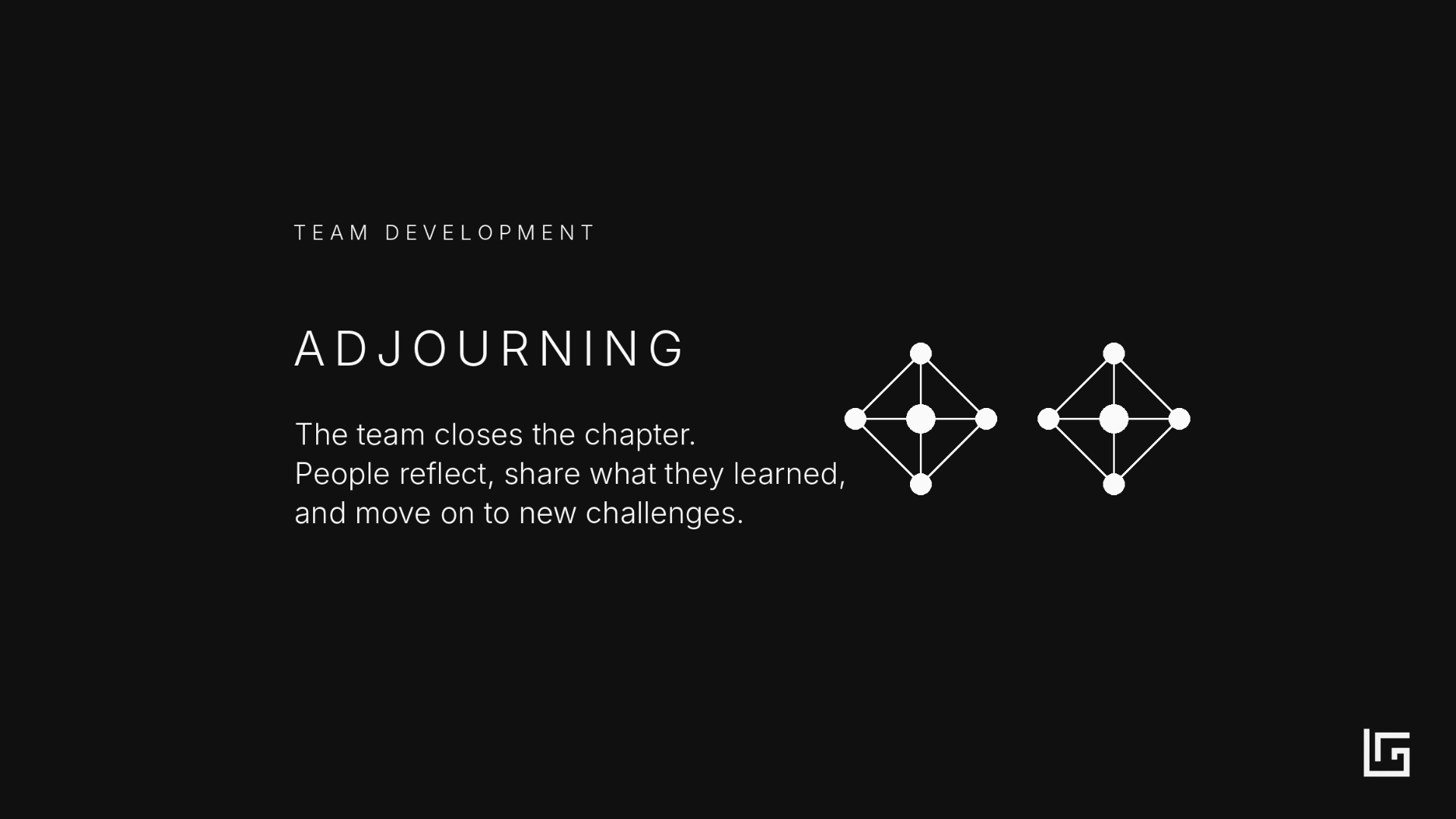
Every project comes to an end.
People move to new roles. Teams change. Everyone gets busy with the next thing.
And we often forget to stop and look back.
What worked well? What would we do differently? What did we learn about working together?
I think we underestimate how much value there is in these conversations.
Because a good project should leave behind more than a finished deliverable.
It should leave behind people who have learned something and can use it again.
What to do as a leader: Take time to reflect with the team. Celebrate what worked, talk about what could have been better, and make sure the lessons are not lost.
One question to ask: What should we take with us into the next project?
Do teams always follow the five stages in order?
Not necessarily.
Tuckman’s Model is useful, but it is not a timetable.
A team can move from Performing back to Storming when a new leader arrives, priorities change, or difficult decisions need to be made.
Sometimes several stages overlap.
The important thing is not to label people or force a team through five steps.
It is to recognize what is happening and adapt the support we provide.
Conclusion: Good leadership starts with understanding your team
What I like about Tuckman’s Model is that it reminds us of something we often forget.
People need different things at different moments.
Sometimes they need direction.
Sometimes they need someone to listen.
Sometimes they need clear agreements.
And sometimes they need us to get out of the way.
Coming back to my conversation last week, I still don’t know if all the expectations can be met.
But I think the more important question is understanding what is behind them.
Because when we work with people, whether as leaders or consultants, our job is not just to respond to requests or deliver results.
It is also to understand where people are and help them move forward.
Before deciding what your team needs, try to understand where it is.
That might change the way you lead.
Free tool · Team development
Which stage is your team in?
Answer 10 quick questions about your team. You'll see which of Tuckman's five stages it is most likely in, what to do as a leader, which questions to ask, and you can download your report.
Join the newsletter
Practical insights on AI, leadership and innovation — every week.